
📋 Table of Contents
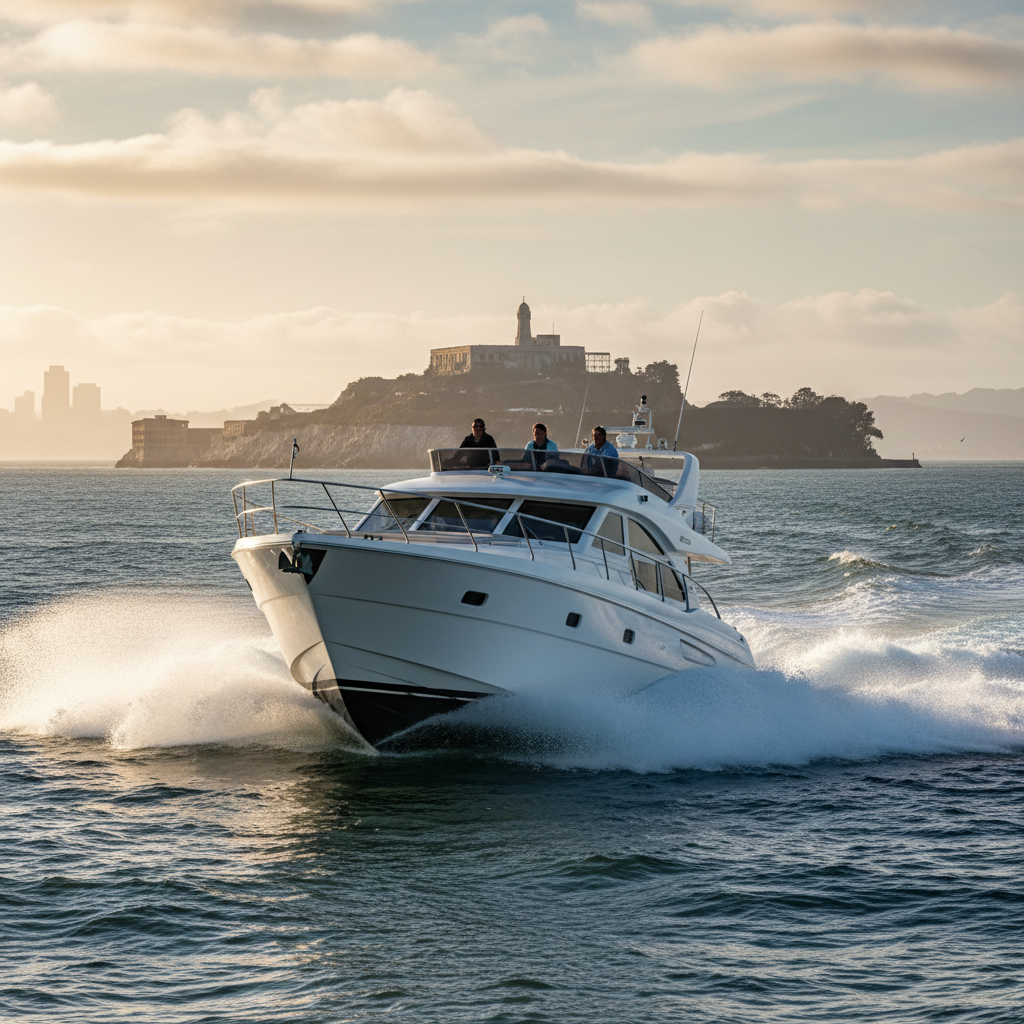
Navigating the complex waters of Northern California requires more than just a powerful engine; it requires a deep understanding of SF Bay current resistance. When you are pushing against a 4-knot ebb tide near the Golden Gate, every micron of biological growth on your hull acts as a brake, stealing knots and burning excessive fuel. For owners at South Beach Harbor or St. Francis Yacht Club, maintaining a slick surface is the difference between a smooth transit and a costly, sluggish slog.
As of 2024, the rise of foil-assisted vessels has changed the maintenance landscape. The ‘Alcatraz Effect’—where high-velocity cross-currents amplify the drag penalty of minor slime—can lead to a phenomenon known as ‘foil drop.’ This occurs when the lift-to-drag ratio is compromised by micro-fouling, forcing the vessel to drop off its foils and into displacement mode, significantly increasing operational costs.
The Science of SF Bay Current Resistance and Hydrodynamic Drag
To optimize your vessel for Alcatraz crossing boat performance, you must first understand the physics of the water column. San Francisco Bay is one of the most hydrodynamically challenging environments in the world due to its narrow opening and massive tidal volume. According to the National Ocean Service, tidal currents can reach speeds that turn minor hull imperfections into major performance inhibitors.
- The K-Factor: This refers to foil surface roughness. Even a 50-micron layer of biofilm can increase skin friction by up to 20%.
- Turbulent Flow: Roughness triggers a premature transition from laminar to turbulent flow, creating a massive drag spike.
- Cavitation Risks: Micro-fouling on leading edges can cause hydrofoil cavitation, leading to permanent material erosion.
- Lift Efficiency: For foiling boats, cleanliness is non-negotiable to maintain the pressure differential required for lift.
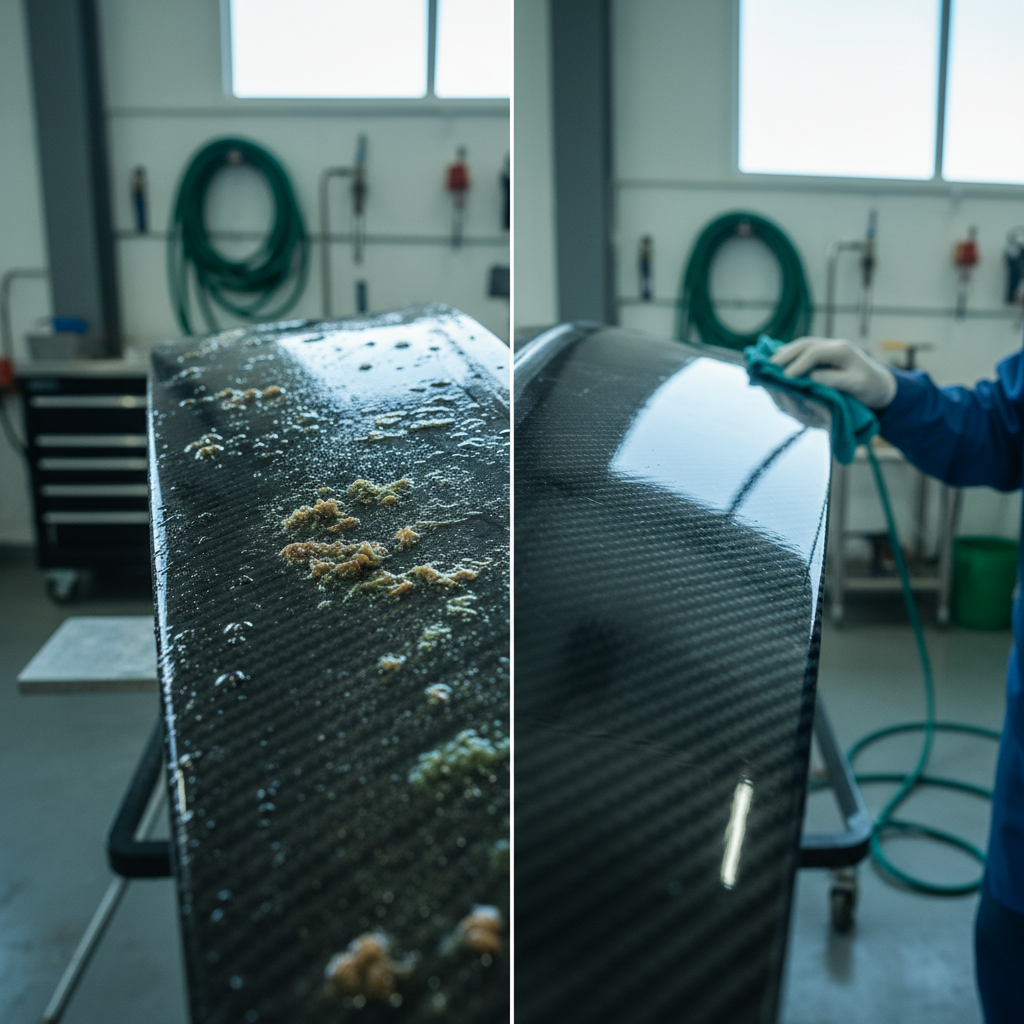
At 360 Hull Diving, we specialize in hydrodynamic hull cleaning that targets these specific issues. By providing before-and-after photo proof, we ensure your foils are polished to a competitive standard, whether you’re commuting from Sausalito or racing toward the Farallones.
Quantifying the Cost: Fuel ROI and Performance Metrics
The financial impact of SF Bay current resistance is measurable and significant. For a Series B startup founder or a high-growth executive utilizing a commuter vessel, time and efficiency are the primary KPIs. Data from Energy.gov suggests that biofouling management can save billions in the shipping industry, and the same principles apply to recreational and commercial Bay crossings.
| Fouling Level | Drag Increase (%) | Fuel Penalty (at 20 knots) | Max Speed Reduction |
|---|---|---|---|
| Clean / Polished | 0% | Baseline | 0 knots |
| Light Slime (Biofilm) | 8-12% | +15% | 1.5 knots |
| Heavy Slime / Grass | 20-30% | +35% | 4.0 knots |
| Calcareous (Barnacles) | 80%+ | +100% | Foil Drop Likely |
By investing in regular maintenance, you are essentially buying back speed and fuel efficiency. If you are noticing a drop in RPM efficiency while passing Alcatraz Island, it is likely time for a professional inspection. Schedule your performance-tuned hull cleaning today to reclaim your vessel’s potential.
Strategic Maintenance for Alcatraz Crossing Boat Performance
Optimizing for Alcatraz crossing boat performance requires a proactive rather than reactive approach. The high-velocity currents near the Rock act as a stress test for your running gear. If your props are even slightly fouled, the cavitation noise and vibration will be amplified by the dense, cold water of the Bay.
- Timing with Spring Tides: Schedule your deep cleans just before the largest tidal swings of the month to ensure maximum power when you need it most.
- Zinc & Corrosion Monitoring: High-speed water flow accelerates galvanic corrosion; we check your sacrificial anodes during every dive.
- Propeller Polishing: A smooth prop reduces the ‘slip’ factor, allowing for better bite in the swirling currents of the Golden Gate.
- Non-Ablative Grooming: We use gentle, frequent cleaning methods that preserve your bottom paint while removing the biofilm that causes drag.
Our team at 360 Hull Diving understands the local marinas, from Emeryville to Richmond. We don’t just scrub; we provide a comprehensive status report on your vessel’s underwater health. Learn more about our corrosion protection services to see how we keep your running gear in peak condition.
The Rise of Foil-Borne Vessels in San Francisco
The Bay is becoming a hub for advanced marine technology. From electric hydrofoil ferries to private foiling yachts, the demand for precision hydrodynamic hull cleaning has never been higher. These vessels rely on carbon fiber foils that are sensitive to even minor surface roughness (k-factor).
Transitioning from a traditional displacement hull to a foil-borne craft requires a shift in mindset. You are no longer just maintaining a boat; you are maintaining an aircraft that flies through water. Any accumulation of marine growth disrupts the lift-to-drag ratio, potentially leading to ‘foil drop’ during a critical transit in the SF Bay current resistance zones.
Predictive Maintenance Insights:
- Weekly grooming is recommended for vessels docked in high-nutrient areas like Berkeley Marina.
- Monthly prop polishing is essential for maintaining the torque required to fight heavy ebb tides.
- Insured dive teams are a must to protect the high-value carbon fiber components of modern foils.
Need a professional assessment of your foil’s condition? Call us at 415-555-0199 or visit our contact page to book an insured dive team that provides photo proof with every service.
Environmental Stewardship in SF Bay Sensitive Zones
Maintaining a clean hull isn’t just about speed; it’s about protecting the delicate ecosystem of the San Francisco Bay. According to the EPA, managing biofouling is a key component in preventing the spread of invasive species. By utilizing eco-friendly hull grooming technology, we remove growth before it becomes a major problem, reducing the need for harsh chemicals or heavy scrubbing that can damage the environment.
- Invasive Species Prevention: Regular cleaning prevents the transport of non-native species between San Pablo Bay and the Central Bay.
- Reduced Carbon Footprint: A cleaner hull means less fuel burned, directly contributing to the decarbonization of the Bay.
- Coating Longevity: Frequent, gentle cleaning extends the life of your expensive anti-fouling paint, saving you thousands in haul-out costs.
Conclusion: The Competitive Edge in Bay Navigation
Ultimately, managing SF Bay current resistance is about control. Whether you are an executive racing to a meeting across the water or a recreational boater enjoying a weekend near Angel Island, a clean hull provides the predictability and safety required for these waters. Don’t let a thin layer of slime dictate your arrival time or your fuel budget.
At 360 Hull Diving, we provide the transparency and expertise that sophisticated boat owners demand. With our photo-documented cleaning process, you see exactly what we see, ensuring your Alcatraz crossing boat performance is never compromised. Ready to experience the difference of a truly polished hull? Contact us today for a free estimate and let our insured dive team optimize your vessel for the unique challenges of the San Francisco Bay.
Frequently Asked Questions
How does biofilm affect SF Bay current resistance for high-speed boats?
Biofilm, or ‘slime,’ creates microscopic turbulence on the hull surface. In high-velocity zones like the Golden Gate, this turbulence increases skin friction drag significantly. For high-speed or foiling boats, this can lead to a 10-15% loss in fuel efficiency and a noticeable reduction in top-end speed, making it harder to fight the Bay’s strong currents.
What is the ‘Alcatraz Effect’ in terms of boat performance?
The ‘Alcatraz Effect’ refers to the intersection of high-velocity tidal currents (often 3-4 knots) and the performance penalty of a fouled hull. Because the drag penalty increases exponentially with water velocity, a hull that feels ‘fine’ in a calm marina will experience massive performance degradation when trying to maintain headway in the turbulent waters surrounding Alcatraz Island.
Can hydrodynamic hull cleaning prevent ‘foil drop’ on modern vessels?
Yes. Foil-borne vessels rely on a precise pressure differential to maintain lift. Micro-fouling disrupts the laminar flow over the foil, increasing drag and reducing lift. Regular hydrodynamic hull cleaning ensures the foil surface remains smooth (low k-factor), preventing the vessel from losing lift and ‘dropping’ back into the water during high-current transits.
How often should I schedule hull grooming for Alcatraz crossing boat performance?
For optimal performance in the SF Bay, we recommend a professional cleaning every 3-4 weeks. This interval prevents the transition from soft biofilm to hard calcareous growth (barnacles), which is much harder to remove and causes significantly more drag. Regular grooming keeps your vessel ‘performance-ready’ for any tidal condition.