
📋 Table of Contents
According to the American Boat & Yacht Council (ABYC), nearly 20% of propulsion failures are linked to misalignment or bearing wear that could have been detected during routine inspections. For boaters navigating the high-silt waters of the East Bay, a propeller shaft wear audit isn’t just a suggestion; it is the only thing standing between a smooth sunset cruise and a $15,000 transmission rebuild.
Berkeley Marina owners face a unique set of challenges, from aggressive barnacle growth to the relentless tidal surges of the Central Bay. These environmental factors accelerate the degradation of your running gear faster than in almost any other West Coast harbor. If you’ve felt a slight shudder in the deck or noticed your fuel economy dipping, you are likely already experiencing the early stages of shaft wear.
Key Takeaways for Berkeley Boat Owners
- Prevention is Profit: A proactive audit costs a fraction of a mid-season haul-out.
- Silt is the Enemy: Berkeley’s shallow, silty environment acts like sandpaper on your cutless bearings.
- Documentation Matters: Detailed photo proof of shaft health significantly boosts resale value in the competitive SF Bay market.
Stage 1: The Visual and Tactile Baseline
The first step in any credible propeller shaft wear audit is a high-definition visual assessment paired with physical “play” testing. While many divers simply wipe a cloth over the metal, a professional audit requires looking for micro-pitting and crevice corrosion that often hides under thin layers of biofouling.
What most people miss: Visual inspections often fail because divers don’t clear the growth behind the strut. In our work with typical Bay Area recreational owners, we often find that the most significant wear occurs where the shaft enters the cutless bearing, a spot frequently overlooked during quick cleanings. We look for “scoring”—those fine lines etched into the metal—which indicate that silt has bypassed the bearing grooves.
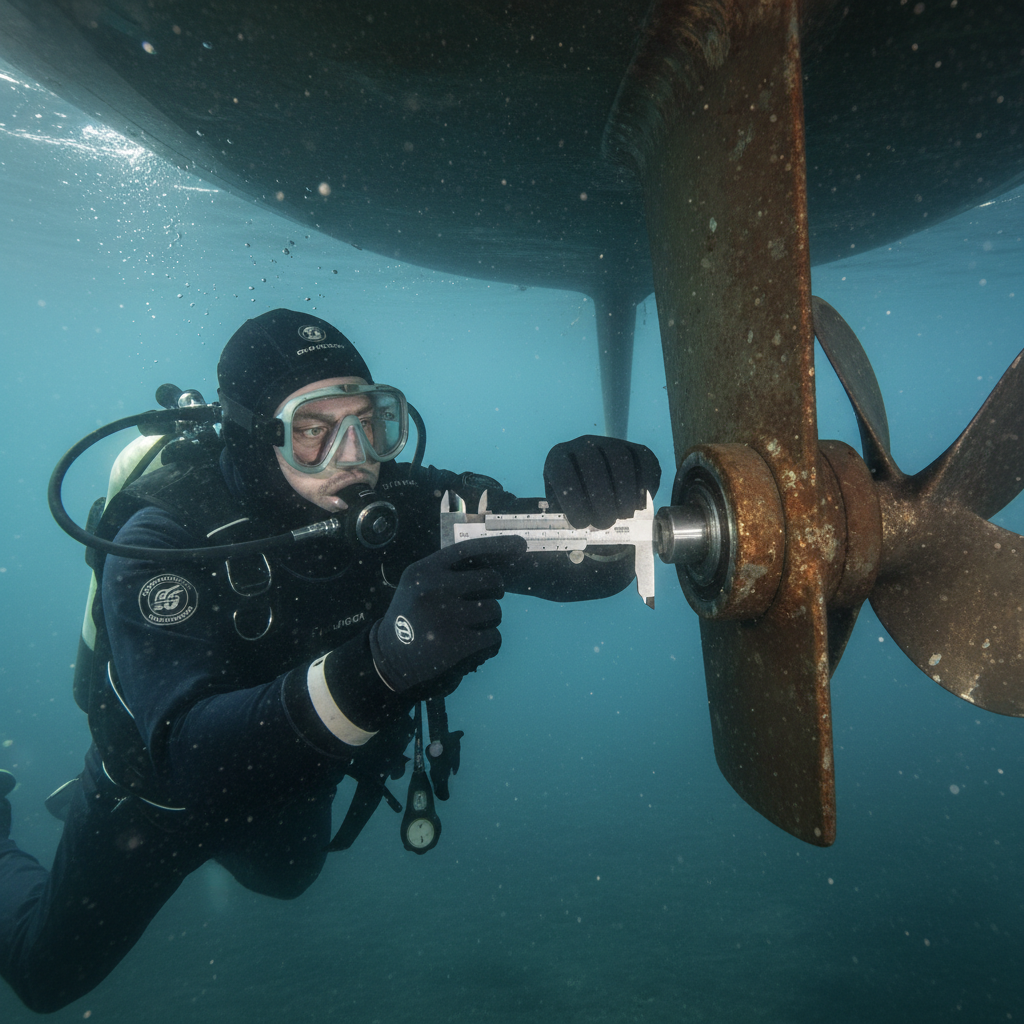
The tactile portion involves checking for lateral and vertical movement. Here is what we evaluate:
- Bearing Clearance: According to marine engineering standards, clearance exceeding 1/16th of an inch is a red flag.
- Shaft Zinc Integrity: We check if your zinc anodes are eroding evenly or if localized pitting suggests a stray current issue in the marina.
- Fouling Patterns: Specific types of calcareous growth can indicate if the boat has been sitting too long or if the anti-fouling paint is failing.
Ready to see what’s happening below the waterline? Schedule your Stage 1 audit today and get the photo proof you need.
Stage 2: Precision Measurement and Runout Analysis
Precision measurement is the bridge between “it looks fine” and “it is technically sound.” This stage focuses on identifying the shaft vibration causes that are invisible to the naked eye but felt through the hull at 2,000 RPMs.
The real kicker? A shaft can be perfectly straight but still vibrate if the engine mounts have settled or if the dripless shaft seal has lost its tension. During this phase, we use calipers and feeler gauges to document the exact gap between the shaft and the bearing wall. This data is critical for Berkeley Marina boat maintenance because it allows us to predict exactly when a cutless bearing replacement will be necessary.
Consider this comparison of wear levels we typically see in the East Bay:
| Wear Stage | Measurement Gap | Recommended Action |
|---|---|---|
| Optimal | < 0.020″ | Monitor annually; maintain zincs. |
| Warning | 0.025″ – 0.045″ | Bi-annual audits; check for vibration. |
| Critical | > 0.050″ | Immediate cutless bearing replacement. |
But wait—precision measurement also includes inspecting the marine electrolysis protection system. In the brackish waters near the Berkeley shoreline, galvanic corrosion can eat through a stainless shaft in a single season if your bonding system is compromised. We measure the remaining mass of your shaft zincs to ensure they are providing the necessary sacrificial protection.
Stage 3: Harmonic Analysis and Performance Validation
Harmonic analysis is the most advanced part of our propeller shaft wear audit, where we correlate physical findings with operational performance. This is where we identify if a vibration is coming from a bent blade, a misaligned shaft, or a failing transmission damper plate.
Here’s a contrarian insight: Many owners rush to replace their propellers when they feel a vibration, but more often than not, the issue is “singing” caused by edge wear or a slight dripless shaft seal leak that introduces air into the system. By analyzing the frequency of the vibration, we can pinpoint the source without unnecessary part replacements.
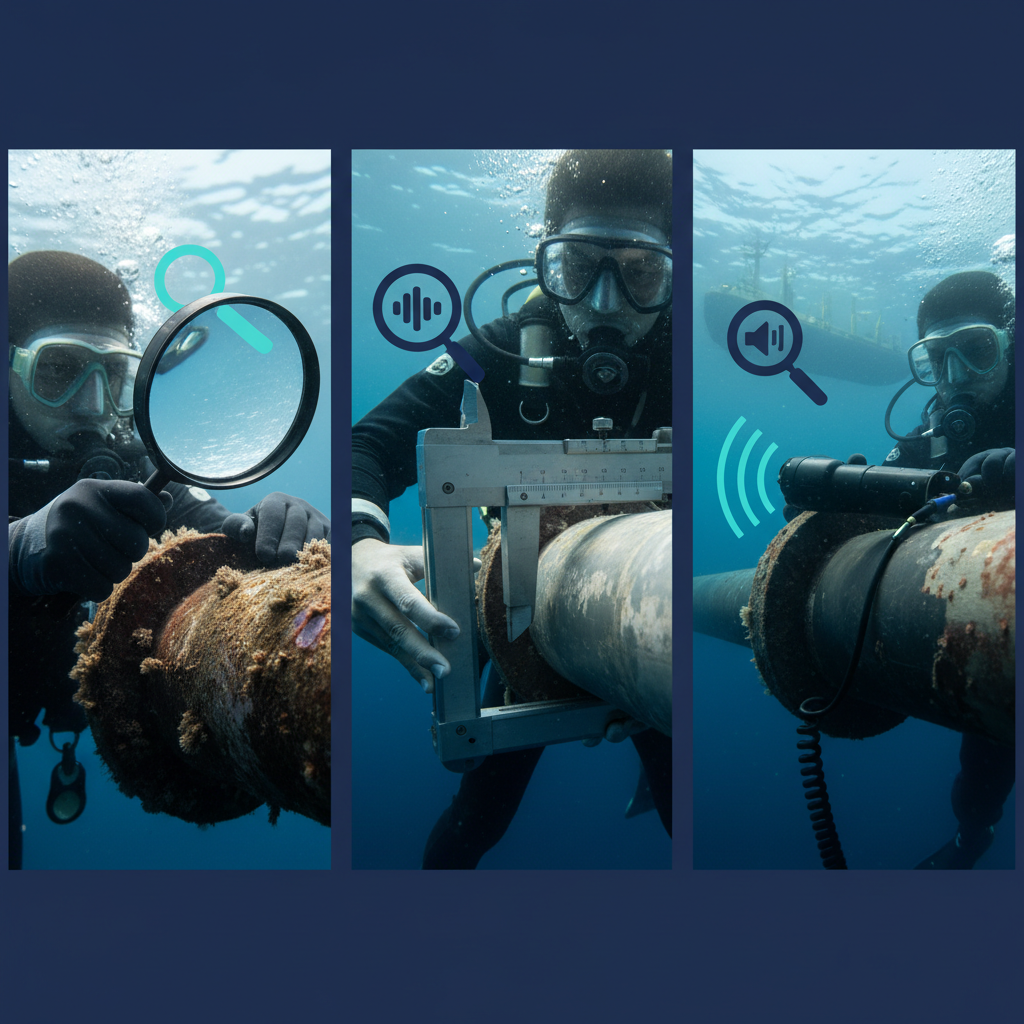
The benefits of this stage include:
- Friction Reduction: Identifying and correcting minor misalignments reduces the carbon footprint of your vessel by improving fuel flow.
- Transmission Longevity: Eliminating harmonics prevents the seals in your gearbox from backing out.
- Resale Documentation: Providing a buyer with a harmonic health report can justify a higher asking price for premium East Bay listings.
The post-winter rainy season is the critical window for this audit. Increased runoff into the Bay changes the salinity and silt levels, which can impact how your running gear sits and moves. Don’t wait for a shaft vibration cause to become a mechanical failure near the Golden Gate.
Managing the Hidden Costs of Berkeley Silt
Berkeley Marina’s specific geography creates a high-silt environment that acts as an abrasive slurry. When this silt enters the water-lubricated grooves of a cutless bearing, it grinds away at both the rubber and the metal shaft. This is why underwater hull inspection SF Bay services must be more frequent here than in deeper, rockier ports like Tiburon or Sausalito.
What most people miss is that this wear isn’t linear. It starts slow, but once the bearing’s protective skin is breached, the rate of wear triples. By the time you notice a dripless shaft seal leak, the shaft may have already developed enough “wobble” to damage the seal’s carbon face. This is why we advocate for a “predictive” rather than “reactive” maintenance schedule.
Need a professional eye on your running gear? Contact 360 Hull Diving for a comprehensive underwater assessment that includes before-and-after photo proof.
The Transition to Modern Shaft Systems
Many Berkeley boaters are transitioning from traditional bronze packing glands to modern dripless systems. While these systems offer a drier bilge, they require a higher level of precision during a propeller shaft wear audit. Because these seals rely on a constant flow of water for cooling, any blockage in the water injection line—often caused by Berkeley’s aggressive biofouling—can lead to catastrophic seal failure in minutes.
Our audit includes a specific check of the seal’s tension and the integrity of the cooling hoses. We also verify that your marine electrolysis protection is sufficient to prevent the stainless steel components of these seals from corroding. According to the EPA’s Vessel General Permit guidelines, maintaining these systems properly is also a key part of environmental compliance for California boaters.
Conclusion: Your Monday Morning Action Plan
The health of your drivetrain shouldn’t be a mystery. This week, take ten minutes to do a “dockside harmonic check”: start your engine, bring it to operating temperature, and shift into gear while tied to the dock. If you feel a rhythmic thumping or see the engine jumping on its mounts, your shaft is calling for help.
The next step is simple: don’t just hire a diver to clean the bottom. Hire a technician to perform a propeller shaft wear audit. At 360 Hull Diving, we provide the Bay Area’s most trusted, insured service with the photo proof you need to navigate with confidence. Request your Berkeley Marina inspection today and keep your vessel in peak condition for the season ahead.
Frequently Asked Questions
How often should I have a propeller shaft wear audit?
For boats kept at Berkeley Marina, we recommend an audit every six months or whenever you replace your zinc anodes. The high silt content and aggressive growth in the East Bay can cause wear much faster than in other parts of the San Francisco Bay.
What are the most common shaft vibration causes?
The primary causes include misaligned engines, worn cutless bearings, or a propeller that has lost its balance due to electrolysis or impact. In Berkeley, silt intrusion into the bearing grooves is a leading contributor to premature vibration issues.
Can a diver replace a cutless bearing underwater?
While some specialized tools allow for underwater replacement, it is generally recommended to perform a cutless bearing replacement during a haul-out. Our audit identifies exactly when you need to schedule that haul-out so you aren’t caught by surprise.
Is a dripless shaft seal leak an emergency?
Yes. A leaking dripless seal can indicate that the carbon face is damaged or that the shaft is oscillating too much. If the seal fails completely, it can allow a significant volume of water into the bilge, risking the vessel’s buoyancy.