📋 Table of Contents
Effective corrosion control at San Rafael Yacht Harbor is no longer just a maintenance checkbox; it is a critical financial strategy for protecting your maritime investment against aging infrastructure. As San Francisco Bay water temperatures fluctuate and salinity levels rise, the interaction between your boat’s sophisticated electronics and the harbor’s shore power system creates a high-stakes environment for underwater metals.
Key Takeaways for San Rafael Boaters:
- Aging marina infrastructure increases the risk of stray current and rapid metal loss.
- The brackish water of the San Rafael Canal acts as a highly efficient electrolyte.
- Regular underwater metal inspections are the only way to confirm anode health.
- Upgrading to aluminum anodes provides superior protection over traditional zinc in local waters.
The Rising Risk of Stray Current Corrosion in Aging Marinas
Strategic maritime asset management requires understanding that stray current corrosion is significantly more aggressive than standard galvanic corrosion. While galvanic corrosion occurs between two different metals on your boat, stray current is forced by external electricity leaking into the water from faulty shore power pedestals or neighboring vessels.
According to the National Fire Protection Association (NFPA) 303 standards, electrical leakage in marine environments poses both a safety risk and a severe threat to hull integrity. In many historic North Bay locations, the infrastructure may not have been originally designed to handle the massive electrical loads of modern yachts equipped with multiple HVAC units and high-capacity lithium-ion battery banks.
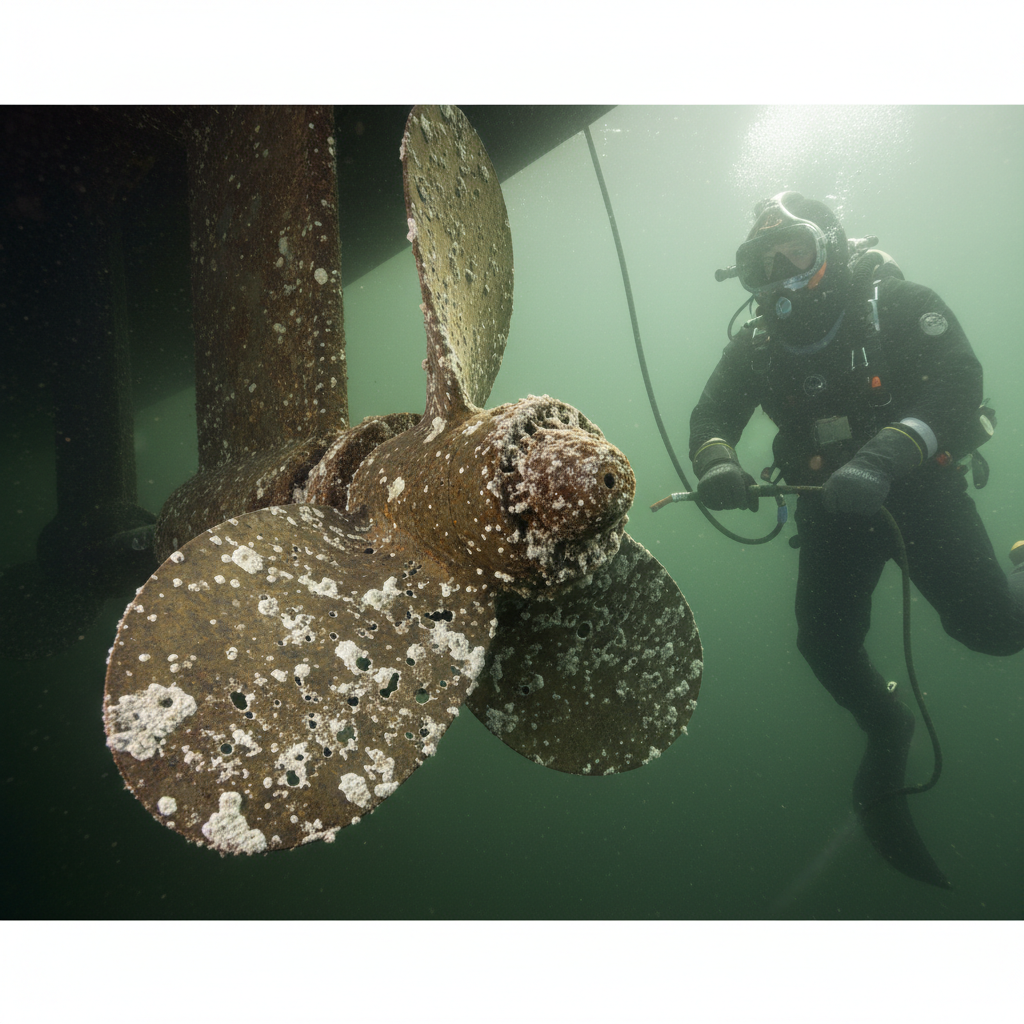
Why San Rafael is uniquely challenging:
- Infrastructure Age: Older wiring throughout the Canal area can develop insulation breakdowns.
- Water Conductivity: The high mineral content in the San Rafael Canal increases the current’s ability to travel through the water.
- Vessel Density: More boats plugged into a single circuit increases the likelihood of a “leaky” neighbor affecting your running gear.
Understanding the ‘Silent Sinking’ Risk
The term “silent sinking” refers to the catastrophic failure of through-hull fittings or outdrives due to unmonitored electrolysis. When corrosion control at San Rafael Yacht Harbor is neglected, the stray current can dissolve a bronze thru-hull or an aluminum sterndrive in a matter of weeks, not years. This rapid deterioration often happens beneath the waterline, hidden from view until a high-water alarm sounds.
Transitioning to a proactive maintenance mindset is essential. If you haven’t had a professional diver provide photo evidence of your running gear recently, you are operating on guesswork. Schedule a professional underwater metal inspection today to receive high-definition photo proof of your boat’s current state.
The Impact of SF Bay Salinity on Anode Depletion Rates
The San Francisco Bay is a complex estuary where freshwater runoff meets Pacific salt water. This creates a highly conductive environment that accelerates the depletion of sacrificial anodes. In San Rafael, the brackish water specifically demands a more nuanced approach to marine corrosion protection than what is required in the deep ocean or freshwater lakes.
| Metal Type | Ideal Anode Material | Depletion Rate in SF Bay |
|---|---|---|
| Aluminum Outdrives | Aluminum (Indium-activated) | High (6-9 months) |
| Bronze Props/Shafts | Aluminum or Zinc | Moderate (8-12 months) |
| Steel Hulls | Aluminum | High (Variable) |
Furthermore, the industry is shifting toward aluminum anodes because they are more active than zinc and do not contain the toxic cadmium found in traditional zinc alloys. This makes them the eco-friendly choice for the sensitive ecosystems around Loch Lomond and the San Rafael Yacht Harbor.
Galvanic Isolator vs Isolation Transformer: Which is Right for You?
For boat owners at the San Rafael Yacht Harbor, the choice between a galvanic isolator and an isolation transformer is the first line of defense in corrosion control at San Rafael Yacht Harbor. These devices help break the electrical path between your boat and the marina’s ground wire, which is the primary highway for stray current.
- Galvanic Isolators: A cost-effective, solid-state device that blocks low-voltage DC current. It is essential for every boat plugged into shore power.
- Isolation Transformers: The “gold standard” for protection. They completely decouple your boat’s electrical system from the shore, providing superior protection against high-voltage leaks.
- Fail-Safe Ratings: Ensure your device is UL-certified and “Fail-Safe,” meaning it will maintain a ground connection even if the internal components fail.
As of 2024, many insurance providers are beginning to look more closely at these installations when assessing claims for underwater metal failure. Having a documented underwater metal inspection history can be a powerful tool in proving you have exercised due diligence in maintaining your vessel’s integrity.
The DIY Audit: Detecting Shore Power Leaks in San Rafael
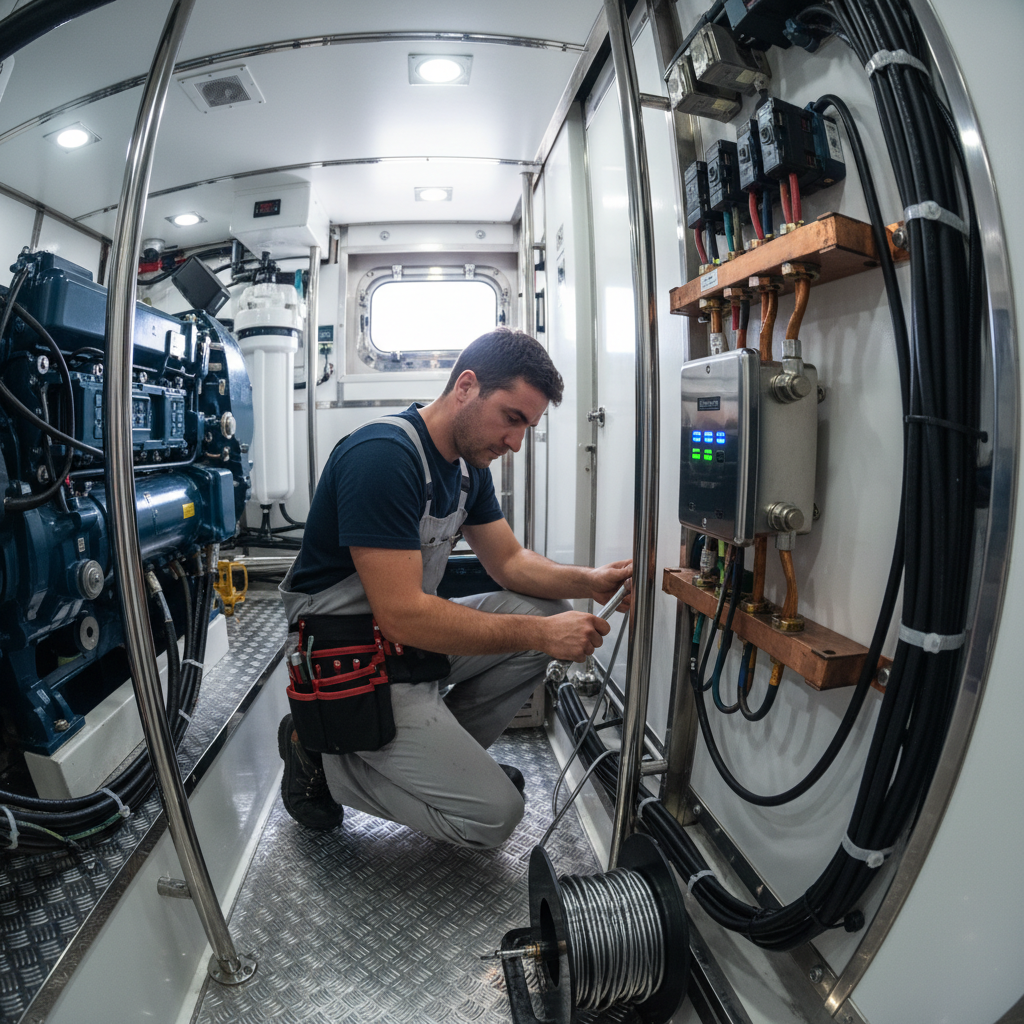
While a professional diver is needed for underwater work, boaters can perform a basic electrical audit at the dock. Using a high-quality digital multimeter, you can check for voltage drops between your boat’s ground and the marina’s pedestal. However, remember that San Rafael yacht harbor maintenance is a partnership between the boat owner and professional services.
Follow these steps for a basic check:
- Turn off all AC breakers on your boat.
- Measure the AC voltage between your boat’s stainless steel hardware and the water.
- Systematically turn on breakers and watch for voltage spikes.
- If you see a jump of more than 500mV, you likely have an internal leak or a significant shore power issue.
Need a professional second opinion? Our team at 360 Hull Diving specializes in identifying these nuances. Read our latest case studies on stray current detection to see how we’ve saved local boats from catastrophic failure.
Environmental Impact and Sustainable Anode Choices
The Environmental Protection Agency (EPA) has highlighted the impact of heavy metals in marina sediments. By choosing aluminum anodes for your corrosion control at San Rafael Yacht Harbor, you are not only getting better protection in brackish water, but you are also reducing the amount of toxic zinc and cadmium entering the Bay. Aluminum anodes are lighter, last longer, and remain active even if they become partially fouled by marine growth.
At 360 Hull Diving, we prioritize these sustainable solutions. We serve clients from Sausalito to Richmond, providing the before-and-after photo proof that ensures your anodes are actually doing their job. Our divers are trained to spot the specific pitting patterns associated with stray current corrosion, allowing you to address the source of the leak before it destroys your running gear.
Conclusion: Securing Your Vessel’s Future
Managing corrosion control at San Rafael Yacht Harbor requires a combination of high-tech onboard protection and old-fashioned professional inspection. Don’t let the aging infrastructure of the North Bay compromise your hull’s integrity. By investing in regular underwater metal inspections and modernizing your electrical isolation, you ensure that your time on the water is defined by relaxation, not expensive emergency repairs.
Ready to see what’s happening beneath your waterline? Don’t wait for your next haul-out to discover a problem. Contact 360 Hull Diving today for a comprehensive hull cleaning and corrosion audit. We provide the photo proof you need for total peace of mind in every Bay Area marina.
Frequently Asked Questions
How often should I have an underwater metal inspection in San Rafael?
Given the high conductivity of the San Rafael Canal and the potential for stray current from aging docks, we recommend a professional inspection every 2 to 3 months. This frequency allows our divers to catch rapid anode depletion before your propellers or through-hulls begin to sacrifice themselves to the electrical current.
Can lithium battery upgrades affect my boat’s corrosion rate?
Yes, modern lithium-ion battery systems often involve high-output chargers and complex grounding. If not properly isolated, these systems can increase the potential for galvanic activity. When upgrading your power bank, it is vital to ensure your galvanic isolator is rated for the increased charging loads to maintain proper protection.
What is the difference between electrolysis and galvanic corrosion?
While often used interchangeably, galvanic corrosion is a natural process between two different metals. Electrolysis, or stray current corrosion, is caused by an external electrical source (like a faulty shore power cord) forcing current through the water. Electrolysis is significantly faster and more destructive than standard galvanic corrosion.
Who is liable if marina power causes damage to my boat?
Proving liability for stray current is legally complex. Generally, the boat owner is responsible for their vessel’s protection. However, documented evidence from a professional dive service showing a sudden spike in corrosion after a change in dock wiring can be critical for insurance claims or discussions with marina management.
Why are my zincs disappearing faster in San Rafael than in Tahoe?
Salt and mineral content make water conductive. Lake Tahoe is freshwater and has very low conductivity, so anodes last years. The San Rafael Yacht Harbor is brackish and highly conductive; the water acts like a battery’s electrolyte, facilitating the rapid flow of ions and accelerating the depletion of your anodes.