
📋 Table of Contents
For boaters navigating the challenging waters of Northern California, achieving peak fuel efficiency is no longer just a matter of engine tuning; it is a battle against the elements. Recent data suggests that San Francisco Bay marine growth is accelerating at unprecedented rates, creating a ‘hidden fuel tax’ that drains the bank accounts of recreational cruisers from Sausalito to the Berkeley Marina.
Consequently, many owners are unaware that even a microscopic layer of biofilm can drastically alter their vessel’s performance. As fuel prices fluctuate at local docks, understanding the direct correlation between hull maintenance and operational costs is essential for any sophisticated maritime leader or recreational enthusiast.
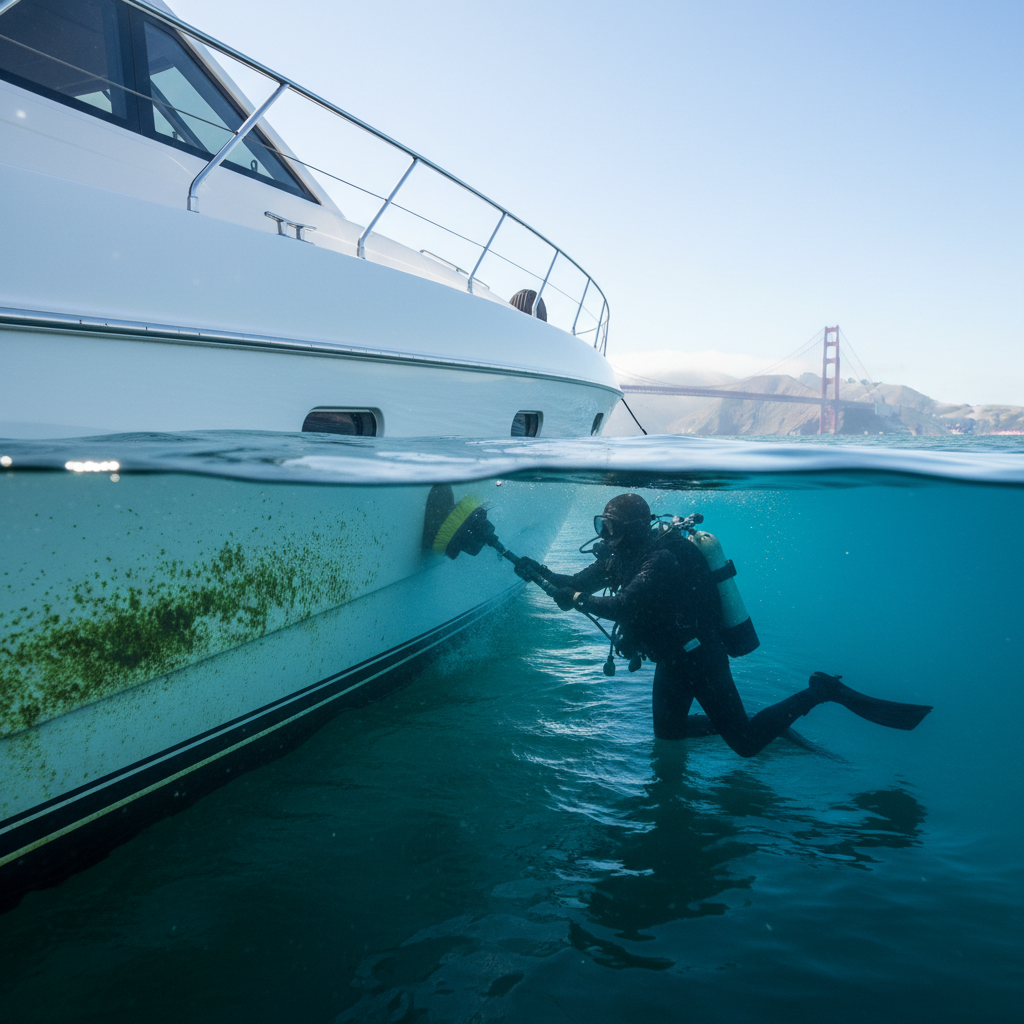
The 10% Rule: Why Fuel Efficiency Starts Below the Waterline
To understand the financial impact of bio-growth, we must look at the ‘10% Rule’ of fluid dynamics. Research indicates that just 1mm of slime on a hull surface can translate into a staggering 10% increase in fuel consumption due to increased friction.
Furthermore, the unique salinity levels in the San Francisco Bay—currently influenced by the ‘La Niña’ effect—have created a ‘Super-Fouling’ environment. This environmental shift encourages rapid colonization by aggressive barnacle species that thrive in high-salinity conditions. Consider these critical impact factors:
- Frictional Drag: Even ‘invisible’ slime disrupts laminar flow, forcing engines to burn more fuel to maintain cruising speed.
- Propeller Cavitation: Growth on the running gear reduces thrust efficiency, leading to higher RPMs and increased wear.
- Intake Blockage: Colonized grates restrict cooling water, causing engines to run hotter and less efficiently.
- Weight Accumulation: Large-scale shell growth adds significant dead weight to the vessel.
The Economic Reality of San Francisco Bay Marine Growth
While some owners view periodic hull cleaning as an optional luxury, the math suggests it is a high-ROI investment. In high-current areas like the Richmond Riviera or South Beach Harbor, the ‘Hidden Anchor’ effect of hull drag is twice as expensive as in calmer southern waters.
Specifically, the aggressive currents of the Golden Gate demand more power from your propulsion system. When your hull is fouled, you are essentially fighting the tide with a parachute deployed behind you. The following table illustrates the potential monthly losses for a standard 40-foot cruiser:
| Hull Condition | Fuel Consumption Increase | Est. Monthly Loss ($6/gal) | Operational Impact |
|---|---|---|---|
| Clean (Monthly Service) | 0% | $0 | Optimal Performance |
| Light Slime (2 Months) | 8-12% | $180 – $250 | Increased Engine Heat |
| Heavy Fouling (4+ Months) | 25-40% | $600 – $900 | Significant Speed Loss |
Transitioning to a proactive maintenance schedule is the most effective way to mitigate these costs. For those interested in deeper technical insights, The Maritime Executive provides excellent data on global shipping efficiency trends that mirror these recreational challenges.
Strategic Advantages of Professional Hull Cleaning
Maximizing fuel efficiency requires more than just a quick scrub; it requires a strategic approach to underwater maintenance. Sophisticated owners are now utilizing before-and-after photo proof to verify the integrity of their running gear.
Moreover, the shift toward eco-friendly, non-copper antifouling coatings in California means that traditional ‘self-sloughing’ paints are less effective than they once were. This regulatory shift makes regular in-water grooming a necessity rather than a suggestion. Key benefits include:
- Extended Coating Life: Frequent light cleanings are gentler on expensive bottom paint than infrequent heavy scrapings.
- Zinc Protection: Professional divers check your sacrificial anodes to prevent costly galvanic corrosion.
- Early Detection: Identifying issues like stray current or propeller damage before they become catastrophic failures.
- Environmental Compliance: Staying ahead of Clean Water Act regulations regarding invasive species transport.
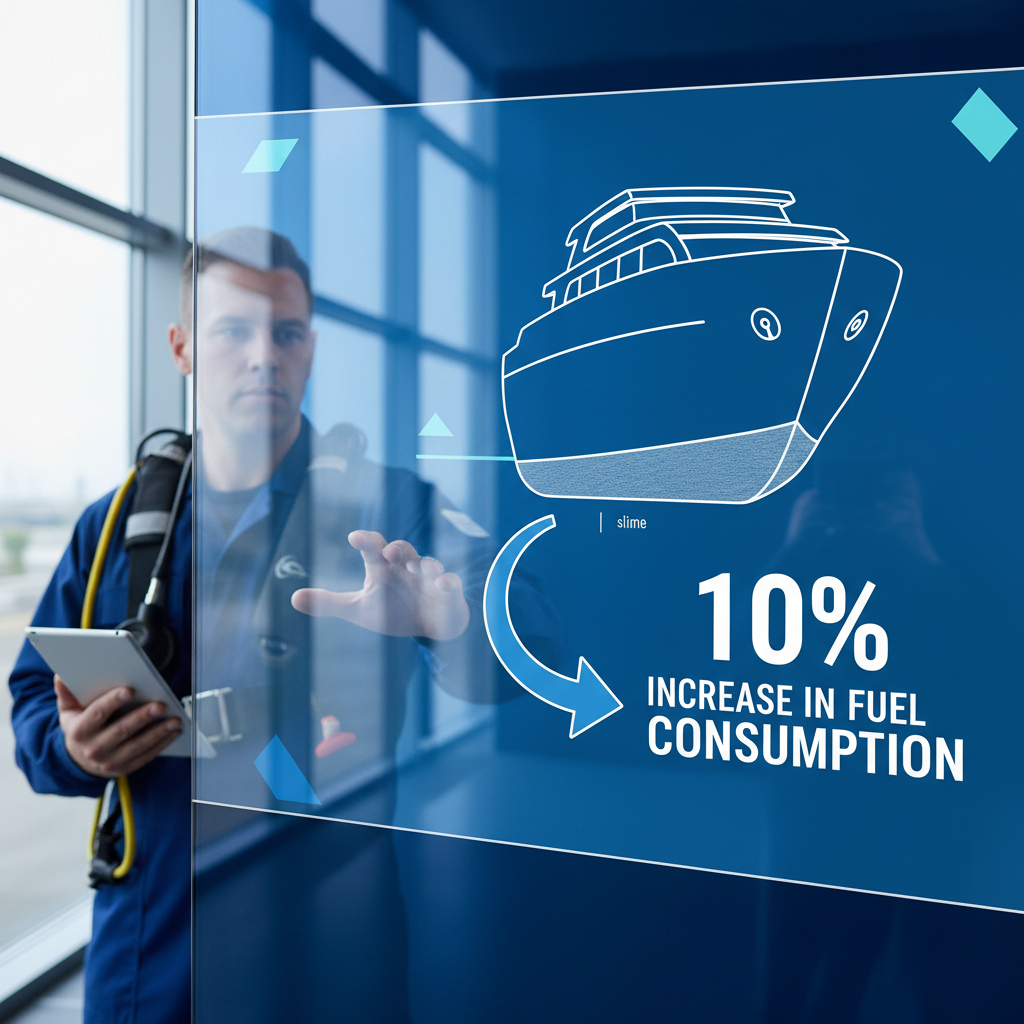
Optimizing Fuel Efficiency Through IoT and Real-Time Monitoring
Modern recreational cruisers are increasingly adopting IoT sensors to monitor real-time fuel consumption. These systems provide immediate feedback on how San Francisco Bay marine growth affects the hull drag coefficient in various sea states.
By integrating data from platforms like Garmin Marine or NMEA 2000 networks, captains can see the exact moment their efficiency begins to drop. This data-driven approach allows for ‘just-in-time’ maintenance, ensuring you never pay for more fuel than necessary. Consider these advanced metrics:
- GPH vs. SOG: Monitoring Gallons Per Hour against Speed Over Ground to identify drag.
- Engine Load Percentage: Seeing how much harder your motor works to push a fouled hull.
- Exhaust Gas Temperature (EGT): Using heat as a proxy for engine strain caused by propeller fouling.
Additionally, keeping a clean hull supports broader ESG goals for the environmentally conscious mariner. Reducing fuel burn directly lowers your carbon footprint, making your weekend cruise to Angel Island both economically and ecologically responsible.
The ‘Invisible Drag’ in Stagnant Marina Waters
Interestingly, some of the worst fouling occurs when the boat is stationary. Marinas with lower flushing rates, such as parts of the Oakland Estuary or Treasure Island, experience rapid ‘bloom’ cycles during seasonal transitions. Even if the hull looks clean from the dock, the ‘invisible drag’ on the keel and rudder is often substantial.
Professional hull cleaning services focus on these hidden areas that the casual observer might miss. By maintaining a smooth surface on every square inch of the underwater profile, you ensure that your vessel remains agile and efficient. This is particularly vital for those participating in local regattas or long-range coastal cruising where every knot counts.
To learn more about specific local conditions, explore our guide on Bay Area Marina Maintenance Tips to see how your specific location affects your cleaning frequency requirements.
Conclusion: Reclaiming Your Performance
Ultimately, the battle for fuel efficiency is won below the waterline. By partnering with an insured, professional dive team that provides transparent photo evidence, you can eliminate the ‘Hidden Fuel Tax’ and enjoy the San Francisco Bay as it was meant to be experienced: with power, speed, and efficiency.
Don’t wait for a visible ‘beard’ to appear on your waterline. By the time you see it, you’ve likely already spent hundreds of dollars in unnecessary fuel costs. Take control of your vessel’s performance today and experience the difference a clean hull makes.
Frequently Asked Questions
How much fuel can I actually save with regular hull cleaning?
Depending on the level of San Francisco Bay marine growth, recreational boaters typically see a 10% to 30% improvement in fuel efficiency. For a mid-sized cruiser running twin engines, this can translate to savings of $200-$500 per month during peak boating season, easily offsetting the cost of professional dive services.
Does the salinity of the San Francisco Bay affect how fast barnacles grow?
Yes, salinity is a primary driver of biofouling. During ‘La Niña’ cycles, decreased freshwater runoff increases the Bay’s salinity, which triggers aggressive growth cycles for barnacles and tube worms. This makes monthly cleaning essential for vessels moored in high-salinity areas like Sausalito or Tiburon.
Is it safe to clean hulls with modern eco-friendly bottom paints?
Absolutely, provided the diver uses appropriate techniques. Modern non-copper and silicone-based coatings require a ‘low-abrasion’ approach. Professional hull cleaning services use specialized soft-bristle brushes and hand pads to remove slime without stripping the expensive protective layers of your antifouling paint.
How do I know if my fuel efficiency is dropping due to hull drag?
The most reliable indicator is a decrease in Speed Over Ground (SOG) at your usual cruising RPM. If you find yourself needing 200-300 more RPM to maintain 20 knots, or if your engine temperature is creeping higher than normal, it is a definitive sign that underwater growth is increasing your hull drag coefficient.
Can I just wait until my annual haul-out to clean the hull?
Waiting for an annual haul-out is a costly mistake. In the San Francisco Bay, heavy growth can accumulate in as little as 8 weeks. The ‘Hidden Fuel Tax’ paid in extra gas or diesel over 12 months far exceeds the cost of monthly in-water grooming, not to mention the potential for permanent damage to running gear.