📋 Table of Contents
Professional vessel management in Northern California requires an understanding of local hydrology, especially regarding Vallejo Marina low-visibility recovery operations. For boat owners at the confluence of the Napa River and San Pablo Bay, the ‘black water’ environment presents unique challenges that standard maintenance routines often fail to address.
According to the U.S. Environmental Protection Agency, the San Francisco Bay-Delta watershed carries massive sediment loads that settle in North Bay marinas. This suspended silt creates a zero-visibility environment where critical hardware failures remain hidden until they become catastrophic. Consequently, successful maintenance in these conditions relies on tactile expertise rather than visual confirmation.
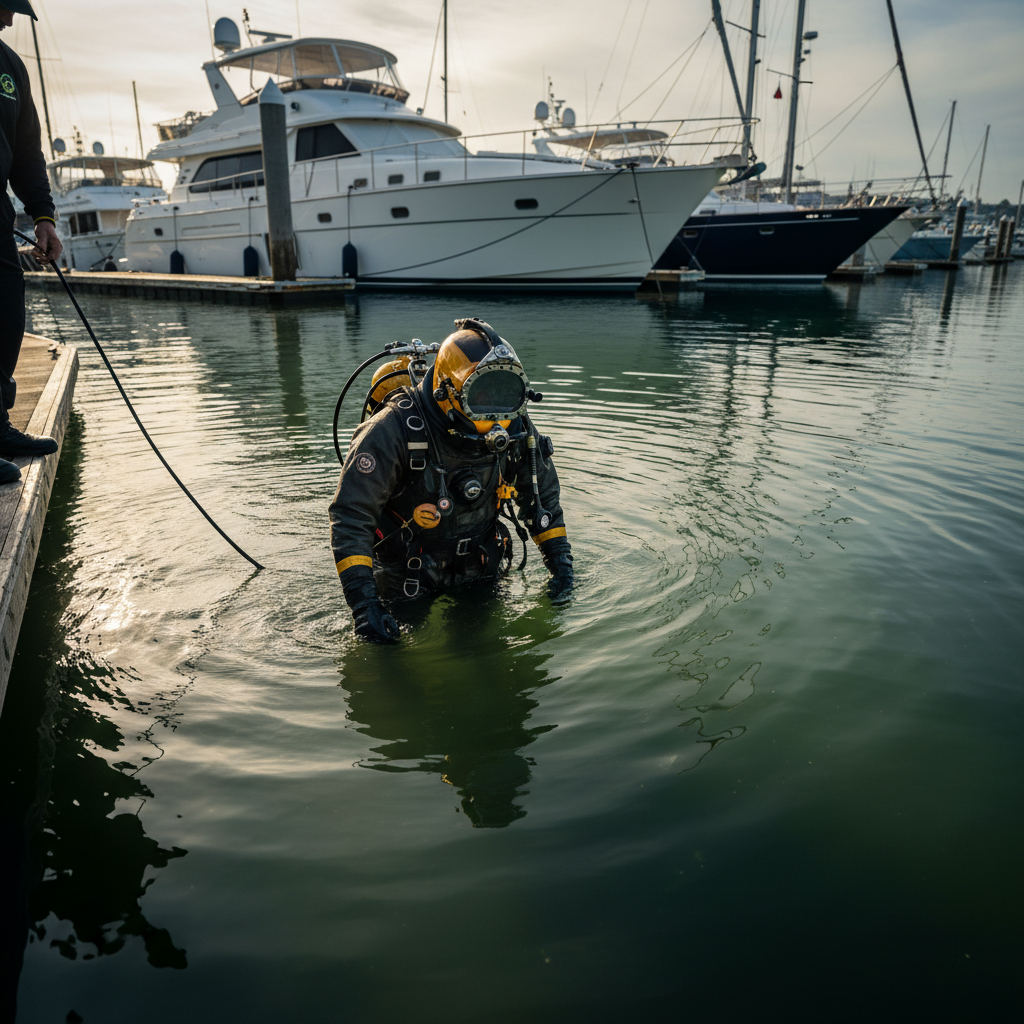
At 360 Hull Diving, we specialize in navigating these high-silt environments. Whether you are docked at the Vallejo Municipal Marina or the Glen Cove Marina, our insured dive team provides the photographic proof and tactile precision required to keep your vessel’s running gear operational.
The Science of Vallejo Marina Low-Visibility Recovery and Silt Suspension
As of 2024, the Carquinez Strait remains one of the most complex hydraulic environments in the Bay Area. The constant influx of freshwater from the Sacramento-San Joaquin River Delta meets the saline push of the Pacific, creating a brackish ‘soup’ that traps fine particulates.
- Flocculation: The mixing of fresh and salt water causes clay particles to clump together and sink, creating a thick ‘fluff’ layer on the bottom.
- Current Funneling: The Carquinez Strait acts as a natural funnel, depositing debris directly into the Vallejo basin.
- Light Extinction: High turbidity means sunlight rarely penetrates beyond the first 12-18 inches of the water column.
Transitioning from visual to tactile inspection is the only way to ensure safety. When a piece of gear is dropped or a prop becomes entangled, it doesn’t just sit on the bottom; it often disappears into 2-3 feet of liquid silt, making Vallejo Marina low-visibility recovery a task for professionals using specialized search patterns.
The ‘Anode Eater’ Phenomenon: San Pablo Bay Hull Inspection Challenges
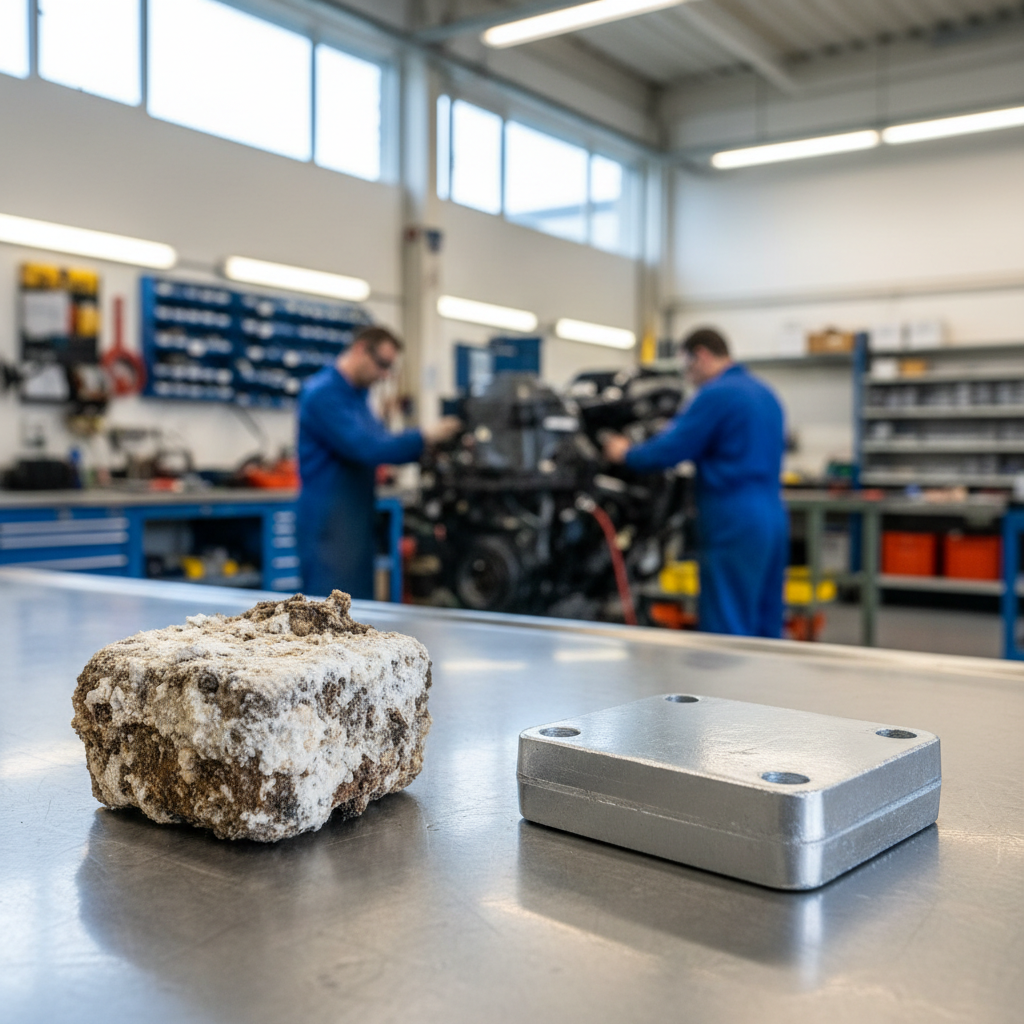
Many boat owners are surprised to find their zinc anodes depleted months ahead of schedule. This is often due to the high-conductivity environment of San Pablo Bay, where fluctuating salinity levels accelerate galvanic corrosion. A strategic San Pablo Bay hull inspection is critical for identifying these rates before the electrolysis begins attacking your propellers or shafts.
Consider these factors affecting corrosion in the North Bay:
- Brackish Conductivity: The specific blend of minerals in Vallejo’s water creates an ideal electrolyte for stray current.
- Silt Abrasion: Constant silt movement can physically scour the protective oxidation layer off anodes, exposing fresh metal to faster depletion.
- Hidden Depletion: In low-visibility water, boaters cannot see the ‘white crust’ of a failing anode, leading to unexpected failures.
Data suggests that vessels in the North Bay may require 20-30% more frequent anode replacements compared to those in higher-salinity, lower-silt areas like Sausalito or Tiburon. For a detailed breakdown of costs, see our comparison table below.
| Maintenance Factor | Central Bay (Clear/Salt) | Vallejo/North Bay (Silt/Brackish) |
|---|---|---|
| Anode Lifespan | 8-12 Months | 4-6 Months |
| Visibility | 3-10 Feet | 0-12 Inches |
| Inspection Method | Visual/Photo | Tactile/High-Def Photo |
Need an immediate assessment of your vessel’s underwater health? Schedule your free estimate with our Vallejo team today to prevent costly running gear damage.
Tactile Expertise: How a Vallejo Marina Diver Locates Lost Gear
When high-value items like outboards, drones, or specialized tools go overboard, the ‘Lost Gear Graveyard’ of the Carquinez Strait quickly swallows them. A professional Vallejo Marina diver does not rely on sight; they rely on calibrated grid searches and touch-based identification.
Furthermore, the risk of DIY recovery is significant. The Department of Energy has even studied the Strait for tidal energy potential due to its powerful currents. Attempting to dive or use ‘magnet fishing’ techniques in these conditions often results in lost magnets or, worse, diver entanglement in submerged debris.
- Case Study: A Series B startup executive recently dropped a high-end survey drone near the Vallejo waterfront. In zero-visibility water and 3 knots of current, our team utilized a circular search pattern to locate the device buried 14 inches deep in the silt within 45 minutes.
- Safety First: We utilize surface-supplied air and communication lines to ensure diver safety in heavy traffic areas.
- Zero-Visibility Tech: While we rely on touch, we use before-and-after photo proof once the item is topside to document the recovery.
Predictive Maintenance and Underwater Recovery North Bay Strategies
Sophisticated boat owners know that proactive maintenance is 5x cheaper than emergency salvage. By scheduling your underwater recovery North Bay services or inspections around local tide cycles, you can mitigate the risks of the ‘Black Water’ challenge.
Strategic scheduling involves:
- Slack Tide Inspections: Scheduling dives during high-slack tide to minimize silt suspension from bottom currents.
- Post-Storm Audits: San Pablo Bay accumulates massive debris after atmospheric river events; an inspection ensures no logs or ‘deadheads’ are wedged in your running gear.
- Salinity Monitoring: Adjusting anode types (Aluminum vs. Zinc) based on the seasonal freshwater runoff levels in Vallejo.
By investing in a regular hull cleaning schedule, you ensure that a professional is touching every inch of your boat’s bottom regularly, catching loose hardware before it falls into the silt.
Environmental Impact of Unrecovered Anodes in Vallejo
Beyond the mechanical risks, unrecovered sacrificial anodes contribute to heavy metal accumulation in the local sediment. As these metals break down in the silt, they can impact the delicate ecosystem of the San Pablo Bay National Wildlife Refuge. Professional Vallejo Marina low-visibility recovery ensures that spent anodes are removed and recycled properly, rather than being left to leach into the bay floor.
Transitioning to aluminum anodes is often recommended for the brackish waters of the North Bay, as they are more effective in lower salinity and have a lower environmental footprint than traditional zinc.
FAQs: Navigating Vallejo’s Underwater Environment
Why is visibility so poor for a Vallejo Marina low-visibility recovery?
The poor visibility is primarily due to the ‘Maximum Turbidity Zone’ where freshwater from the Delta meets saltwater. This causes fine silt to remain suspended in the water column. Our divers are trained in tactile search techniques to overcome these ‘black water’ conditions and successfully locate lost items or inspect hull integrity.
How often should I have a San Pablo Bay hull inspection?
Due to the high-silt and brackish water chemistry of the North Bay, we recommend an inspection every 2-3 months. This frequency is necessary to monitor the accelerated zinc anode depletion rates and ensure that the ‘Anode Eater’ effect doesn’t lead to permanent damage to your propellers or shafts.
Can I use a magnet to recover lost gear in Vallejo Marina?
DIY magnet fishing is highly discouraged in the Vallejo area. The heavy silt often buries items deep enough that magnets cannot establish a connection. Furthermore, the high concentration of metallic debris in the marina basin often leads to magnets becoming permanently stuck, creating new underwater hazards for other boaters.
What is the difference between zinc and aluminum anodes in North Bay water?
Aluminum anodes are generally superior for the brackish water found in Vallejo and Benicia. They have a higher driving voltage and higher capacity than zinc, meaning they protect better in the fluctuating salinity of San Pablo Bay and last longer in high-silt environments where zinc might become ‘passivated’ or inactive.
Don’t let the ‘black water’ of San Pablo Bay hide potential disasters. Whether you’ve lost critical gear or need a reliable maintenance schedule, our team at 360 Hull Diving is the Bay Area’s most trusted, insured dive service. Contact us today at 360 Hull Diving to schedule your next inspection and experience the peace of mind that comes with professional, photo-documented underwater service.