
📋 Table of Contents
A single drip every ten seconds from a rudder port seal audit failure adds up to over 30 gallons of Bay water in your bilge every month. According to data from the BoatUS Marine Insurance program, nearly 50% of dockside sinkings are caused by failed thru-hull fittings or stuffing box leaks.
The Richmond Reality: Why Silt is Your Seal’s Secret Enemy
The high sediment levels in the Richmond Inner Harbor act like liquid sandpaper on your rudder assembly. While most owners focus on the engine, the rudder port is often the most neglected underwater component until the bilge pumps start cycling every hour.
- Abrasive Silt: San Francisco Bay’s unique composition accelerates wear on traditional flax packing.
- Salinity Fluctuations: Changes in water density during the rainy season affect seal elasticity.
- Electrolysis: Stray current in crowded marinas can pit rudder shafts, creating a path for water ingress.
Here’s the thing: a dry bilge isn’t just about aesthetics; it’s about preserving the structural integrity of your hull and preventing the dreaded emergency haul-out. At 360 Hull Diving, we’ve seen how proactive underwater rudder maintenance saves thousands in potential fiberglass repairs.
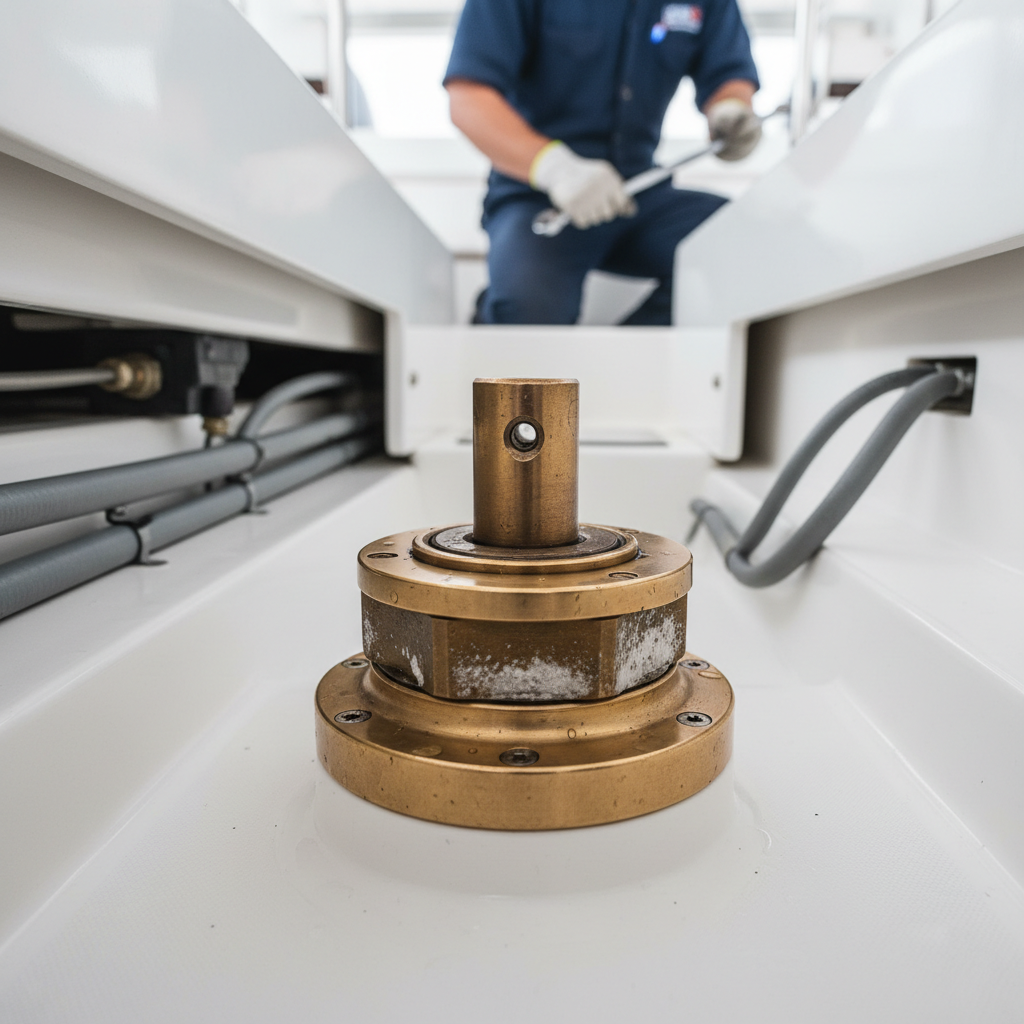
Point 1: Visual Leak Rate and the ‘Zero-Drip’ Standard
The old-school logic that a stuffing box “needs to drip to stay cool” is a dangerous myth for modern cruisers. What most people miss is that while a shaft log needs a drip for lubrication, a rudder port should ideally be 100% dry because it doesn’t spin at 2,000 RPMs.
- Static Inspection: Check the seal while the boat is at rest in its slip at Marina Bay.
- Dynamic Testing: Observe the seal while the rudder is turned lock-to-lock.
- Salt Crust Identification: Look for green or white crystalline buildup, which signals a slow, evaporating leak.
The real kicker? Many Bay Area owners are now converting to GFO packing installation or dripless seals to achieve a true zero-drip standard. This transition significantly reduces the humidity in your engine room, protecting sensitive electronics from corrosion.
Point 2: Fastener Torque and Galvanic Corrosion Analysis
Corrosion doesn’t just eat your zincs; it weakens the bolts holding your rudder port assembly together. In our work with heavy-displacement cruisers, we often find that vertical play in the rudder is caused by loose or corroded mounting hardware.
| Component | Warning Sign | Action Required |
|---|---|---|
| Bronze Bolts | Pinkish hue (Dezincification) | Immediate Replacement |
| Packing Nut | Bottomed out threads | Re-packing with GFO |
| Bonding Wire | Frayed or disconnected | Re-terminate connection |
But wait—don’t just crank down on the nuts. Over-tightening a leaking rudder post can score the shaft, leading to a permanent leak that no amount of packing can fix. If you aren’t sure about your torque specs, it’s time to schedule a professional dive inspection for a clear view from the bottom up.
Point 3: Shaft Alignment and Bearing Play
Vibration is the silent killer of seal integrity, often stemming from a rudder that has too much “slop” in the port. Marine vibration analysis shows that even a millimeter of lateral movement can ovalize a seal over a single season of cruising the Delta.
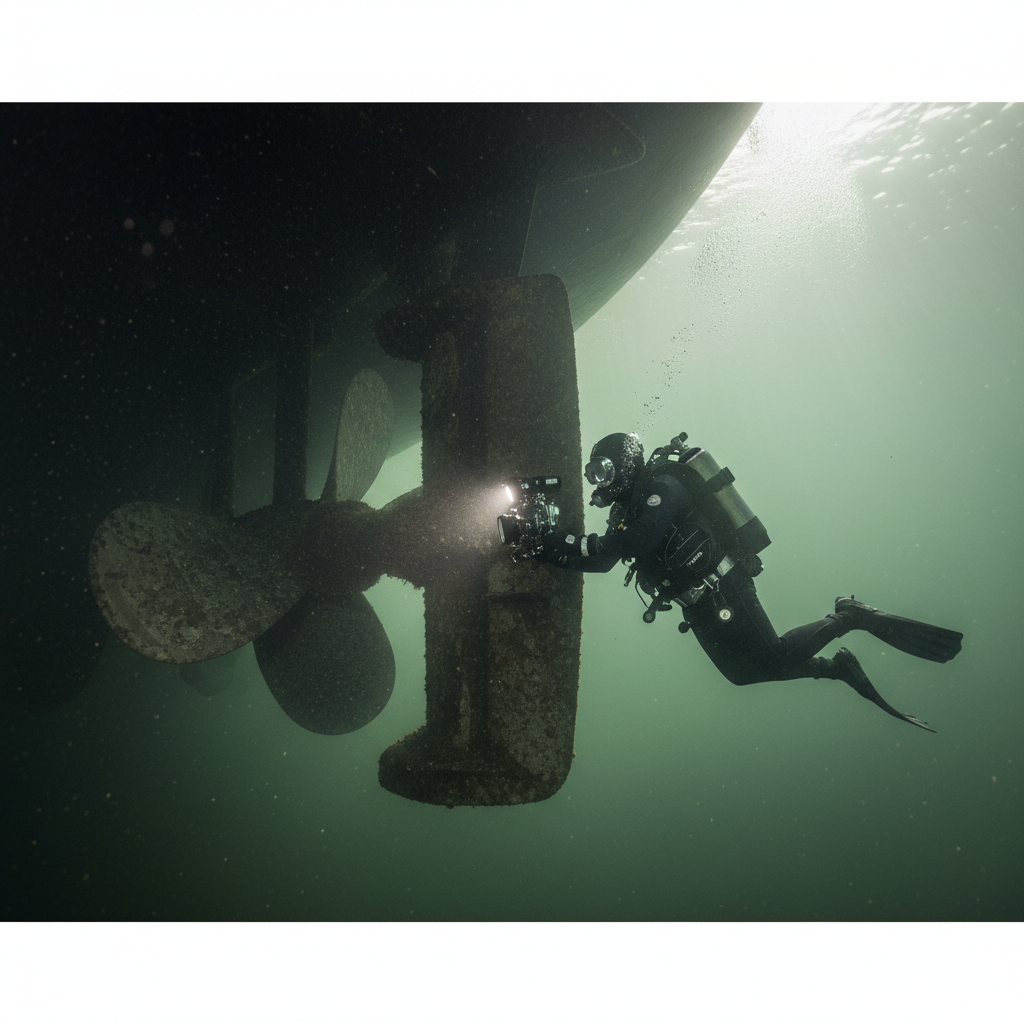
What we look for during an underwater hull inspection SF Bay is the gap between the rudder stock and the bearing. If the silt has worked its way in, it creates a grinding paste that eats the bushing. This is where underwater rudder maintenance becomes technical; we measure the tolerances to ensure your steering remains crisp and your seals remain tight.
Point 4: Material Degradation and Bio-Lubricant Compatibility
Modern seal materials are vastly superior to traditional flax, but they are also more sensitive to the chemicals in your bilge. We’ve observed that some petroleum-based cleaners can actually cause synthetic seals to swell or become brittle over time.
- Eco-Friendly Shift: We recommend bio-lubricants that are compatible with modern dripless rudder seal conversion kits.
- Temperature Resilience: As water temperatures in the North Bay rise, seal elasticity becomes a critical failure point.
- Documentation: Keep a log of when your packing was last replaced; most synthetic materials have a 5-8 year service life.
Need a professional second opinion? Call us at (510) 900-3626 to discuss your vessel’s specific needs before the summer season kicks off. We provide before-and-after photo proof with every service, ensuring you see exactly what’s happening beneath the waterline.
The Insurance Play: Documenting Your Audit
The most contrarian insight we can offer is this: your rudder port seal audit is actually a financial asset. Many maritime insurance providers are becoming stricter about “wear and tear” exclusions. By having a documented, photo-backed audit from a certified dive team, you provide the “due diligence” evidence needed to ensure claims are paid if a failure ever occurs.
A typical Bay Area mid-market client recently used our dive reports to negotiate a lower premium by proving their underwater gear was maintained to a professional standard. It’s not just about safety; it’s about the bottom line.
Key Takeaways for Richmond Boat Owners
- Check Monthly: A quick visual check of your rudder post should be part of your pre-departure routine.
- Audit Bi-Anually: Perform a full 4-point audit at least twice a year, ideally before and after the winter rains.
- Go Synthetic: Upgrade to GFO or mechanical seals to eliminate the need for “cooling drips.”
- Silt Management: If you are berthed in a high-silt area like Richmond, prioritize rinsing your rudder assembly with fresh water when hauled.
Ready to secure your vessel? Request your 4-point audit today and get the peace of mind that only comes with a bone-dry bilge. Our team is fully insured and locally rooted in the East Bay, serving marinas from Richmond to Berkeley.
Frequently Asked Questions
How do I know if my rudder port is leaking or if it’s just condensation?
Taste the water (if safe) or use a refractometer to check salinity. Condensation is fresh; a leak will match the salinity of the Bay. Additionally, a rudder port seal audit will identify salt trails or weeping that occurs only when the vessel is in motion, distinguishing it from static condensation.
Can I tighten my leaking rudder post while the boat is in the water?
Yes, but with extreme caution. You should only turn the packing nut in small increments (1/4 turn) and check for heat after use. Over-tightening can score the shaft. For vessels in Richmond, we recommend an underwater hull inspection SF Bay to ensure the exterior bearing isn’t the primary source of the leak.
What is GFO packing and why is it better for Richmond boats?
GFO is a high-tech packing material made from expanded PTFE and graphite. Unlike traditional flax, it doesn’t require a constant drip to stay cool and won’t harden over time. In high-silt environments like Marina Bay, GFO resists the abrasive action of sediment better than organic fibers, extending the life of your underwater rudder maintenance cycle.
How often should I replace my rudder port seals?
Most industry experts recommend a full replacement every 5 to 7 years. However, in the San Francisco Bay, the high mineral content and silt levels may necessitate a rudder port seal audit every two years to catch early signs of material degradation or fastener corrosion before they lead to a failure.