📋 Table of Contents
According to the EPA, agricultural runoff and sediment significantly impact water clarity and debris levels in river systems like the Napa. For local captains, maintaining proper intake grate clearance isn’t just a chore—it’s the difference between a sunset cruise and a $10,000 engine rebuild due to thermal failure.
Key Takeaways for Napa River Captains
- Tidal Timing: Clearances are most effective during slack tide to avoid fighting heavy silt migration.
- Tactile Inspection: In zero-visibility water, you must rely on touch to identify partial blockages.
- Zinc Health: Intake grates are hotspots for galvanic corrosion in brackish water.
- Professional Proof: Always demand before-and-after photo evidence to confirm a clear flow.
1. The Reality of Napa River Boating and Clogged Intakes
The Napa River is a beautiful but brutal environment for a marine cooling system. Between the heavy silt loads near the Oxbow and the seasonal debris cycles in the spring, your raw water strainers are under constant assault.
Most boaters assume that if they don’t see an overheat alarm, their system is fine. Here’s the thing: partial blockages often cause “micro-overheating,” where the engine runs 10-15 degrees hotter than optimal. Over time, this degrades gaskets and wears down impellers without ever triggering a dashboard light.
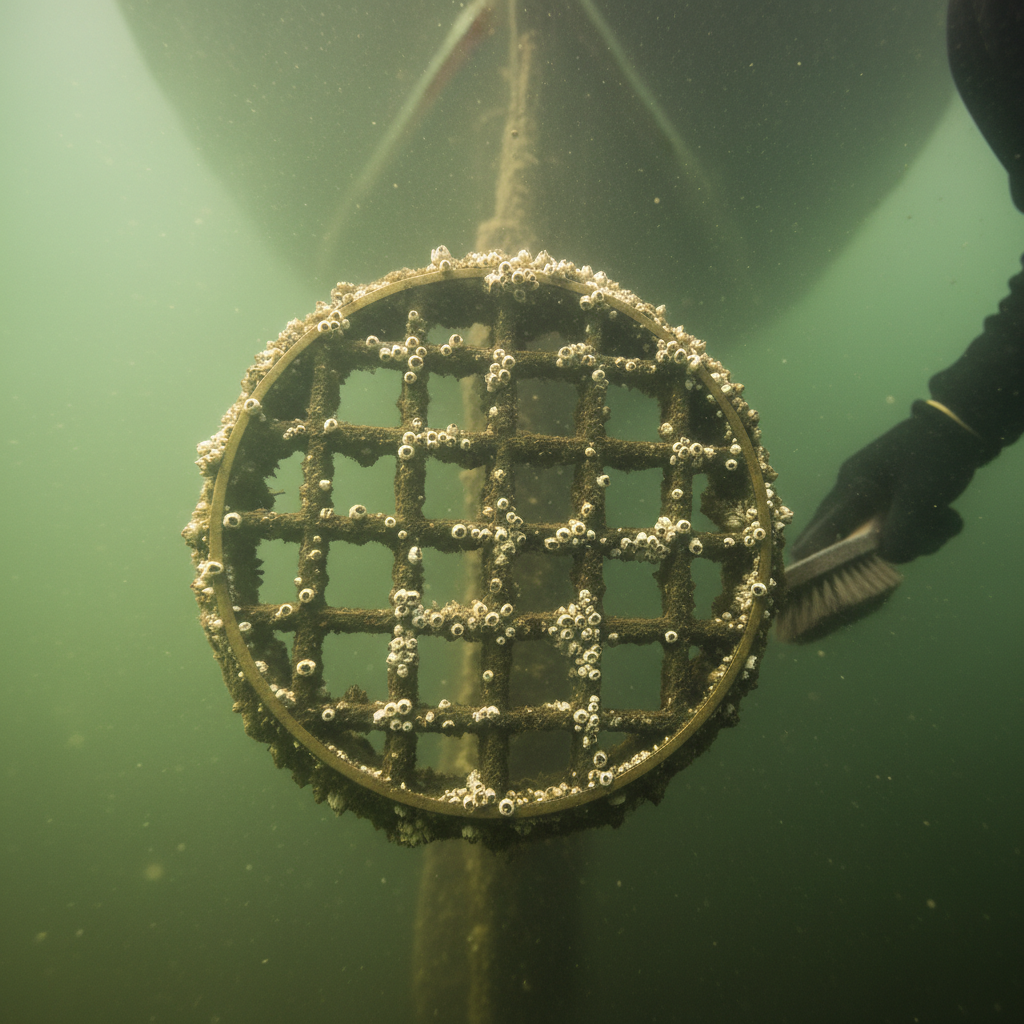
In our work with high-net-worth recreational boaters at Napa Valley Marina, we’ve seen how brackish water accelerates biofouling. Barnacles love the mix of salt and fresh water, often growing inside the grate where you can’t see them from the dock.
2. Step 1: The Tactical Low-Tide Inspection
Timing your engine cooling maintenance with the Napa River’s tidal shifts is the smartest move a captain can make. When the tide is ripping, sediment is kicked up, making underwater visibility non-existent and making it harder for divers to hold position.
- Check the Tides: Aim for the 30-minute window of slack water.
- Monitor the Flow: Observe the exhaust water volume at the start of your trip.
- Listen for Cavitation: A struggling raw water pump often makes a distinct humming or vibrating sound.
What most people miss is that debris often gets sucked tight against the grate only when the engine is running. Once you shut down, the debris might float away, leaving you wondering why the engine overheated ten minutes ago. This is why professional intake grate clearance involves checking for internal growth, not just external snags.
Need a professional eye on your hull? Schedule a certified dive inspection to ensure your cooling system is breathing freely.
3. Step 2: The Tactile Clearing Process (Blind-Clearing)
In the murky waters of the North Bay, visual inspection is a luxury we rarely have. Professional divers use a technique called “blind-clearing” to ensure intake grate clearance is 100% achieved.
The real kicker? You can’t just scrape the surface. You have to feel between the bars of the grate for “fingers” of growth that reach into the through-hull. If these aren’t removed, they act as a catch-all for river grass and plastic bags.
| Debris Type | Risk Level | Napa River Frequency |
|---|---|---|
| Silt/Mud | Medium | High (Constant) |
| Eelgrass/Reeds | High | Seasonal (Spring/Fall) |
| Barnacles/Growth | Critical | Year-round (Brackish) |
For a typical Bay Area mid-market client, a quarterly diving schedule is usually enough to prevent the “zero-flow” nightmare. However, after heavy rains, we recommend an immediate check due to the massive influx of debris from upstream vineyards.
4. Step 3: Verifying Flow and Zinc Protection
Clearing the debris is only half the battle; you must also ensure the intake grate clearance remains effective by checking your sacrificial anodes. In the Napa River’s brackish environment, galvanic corrosion can eat through a bronze grate faster than you’d think.
But wait—don’t just assume a shiny grate is a healthy one. We often find that the bonding wire inside the boat has corroded, leaving the underwater metal unprotected. During our zinc and corrosion inspections, we verify that the grate is electrically protected to prevent pitting.
The contrarian insight here: Many “DIY” boaters use stiff wire brushes to clean their grates. This actually creates micro-scratches in the metal that give barnacles a better surface to grip onto. We use specialized soft-edge tools that clear the growth without ruining the metal’s finish.
5. Why Professional Divers Are Essential in the Napa River
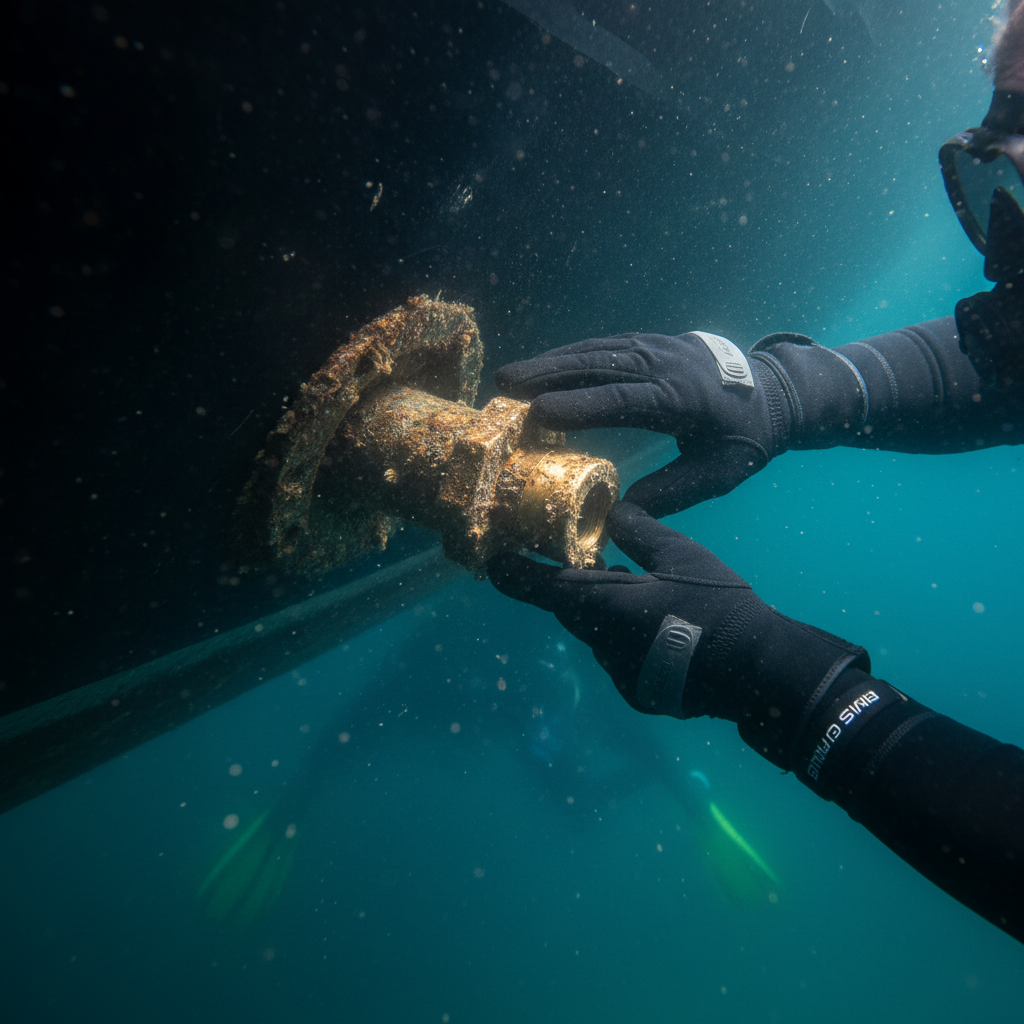
The Napa River boating experience is unique because of the zero-visibility challenge. Unlike the clear waters of Lake Tahoe, the Napa River requires a diver who can work by feel and provide photo proof once the silt settles.
- Safety First: River currents are unpredictable; never dive under your boat alone.
- Insured Expertise: 360 Hull Diving is fully insured, protecting your asset while we work.
- Photo Proof: We provide before-and-after photos so you don’t have to take our word for it.
Whether you are docked at Main Street West or the Napa Valley Marina, your boat is a significant investment. Don’t let a $2 plastic bag caught in your intake lead to a catastrophic engine failure. At 360 Hull Diving, we specialize in underwater hull services California boaters trust for transparency and reliability.
Ready to secure your engine’s longevity? Contact us today for a maintenance quote and keep your Napa River adventures stress-free.
6. Seasonal Considerations: Spring vs. Autumn Debris
What most people miss is that the river changes its “attack profile” every six months. In the spring, agricultural runoff brings high nitrogen levels, which fuels rapid algae and barnacle growth. In the autumn, dying reeds and fallen leaves become the primary clogging agents for your intake grate clearance.
To manage this effectively, some of our clients use our internal AI content engine to stay updated on local water conditions and maintenance alerts. Staying ahead of the seasonal cycle is the only way to avoid emergency service calls on holiday weekends.
7. FAQs: Napa River Engine Cooling Maintenance
How often should I check my intake grate clearance on the Napa River?
For boats docked in the Napa River, we recommend a professional inspection every 2-3 months. Because of the high silt content and brackish water, biofouling occurs more rapidly here than in the open Bay. After heavy winter storms, an immediate check is advised to clear any large debris washed downstream.
Can I clear my own intake grate while the boat is in the water?
While some owners attempt DIY clearing, it is dangerous due to river currents and low visibility. Without professional equipment, it is difficult to remove growth inside the through-hull, which is often the source of restricted flow. Our insured team uses specialized tools and provides photo verification for your peace of mind.
What are the signs of a partially blocked intake grate?
The most common signs include a slight rise in engine operating temperature, a change in the sound of the raw water pump, or decreased water flow from the exhaust. If you notice your engine running hotter than usual during a cruise toward San Pablo Bay, it’s time for an inspection.
Do I need to haul my boat out to clear a clogged intake?
No, a professional dive team can clear 99% of intake obstructions while the boat is in the water. This saves you hundreds in haul-out fees and keeps your boat ready for use. 360 Hull Diving provides comprehensive engine cooling maintenance directly at your marina slip.
How does brackish water affect my boat’s cooling system?
Brackish water is a high-growth environment for marine organisms like barnacles and mussels. It also increases the rate of galvanic corrosion on metal components. Regular intake grate clearance and zinc inspections are critical for boats spending time in the Napa River to prevent long-term damage.
Don’t wait for the alarm to sound. A proactive approach to Napa River boating maintenance ensures you spend more time on the water and less time in the repair shop. Take action this week: check your temperature gauges and schedule your next dive service to keep your intake clear and your engine cool.