📋 Table of Contents
Running aground in the Carquinez Strait isn’t a matter of ‘if’ but ‘when,’ especially with the Sacramento River runoff constantly shifting the silt flats near the Napa River mouth. According to data from the U.S. Coast Guard, groundings remain one of the top primary accident types, often resulting in hidden structural damage that boaters don’t notice until a season later. A professional grounding impact audit is the only way to ensure a ‘soft’ landing in the Vallejo mud hasn’t caused a ‘hard’ failure in your keel bolts.
Step 1: Structural Integrity and Hull-to-Keel Joint Inspection
The real danger of a Vallejo grounding isn’t the impact itself, but the leverage a heavy keel exerts on the hull grid when it gets stuck in deep suction mud. What most people miss is that a soft-bottom grounding can actually be more damaging than a rock strike because the mud ‘grabs’ the keel, creating immense torque on the hull-to-keel joint inspection points. As of 2024, we are seeing an increase in stress fractures due to the heavy sediment loads following recent El Niño storms.
- Smile Check: We look for the ‘keel smile,’ a gap at the leading edge of the joint that indicates the keel has shifted.
- Internal Grid Assessment: Checking for spiderweb cracking in the gelcoat around the keel floors and stringers.
- Keel Bolt Torque: Identifying signs of weeping or rust around the bolts inside the bilge.
- Silt Intrusion: Ensuring Vallejo’s fine silt hasn’t packed into the joint, which can lead to freeze-thaw expansion or localized corrosion.
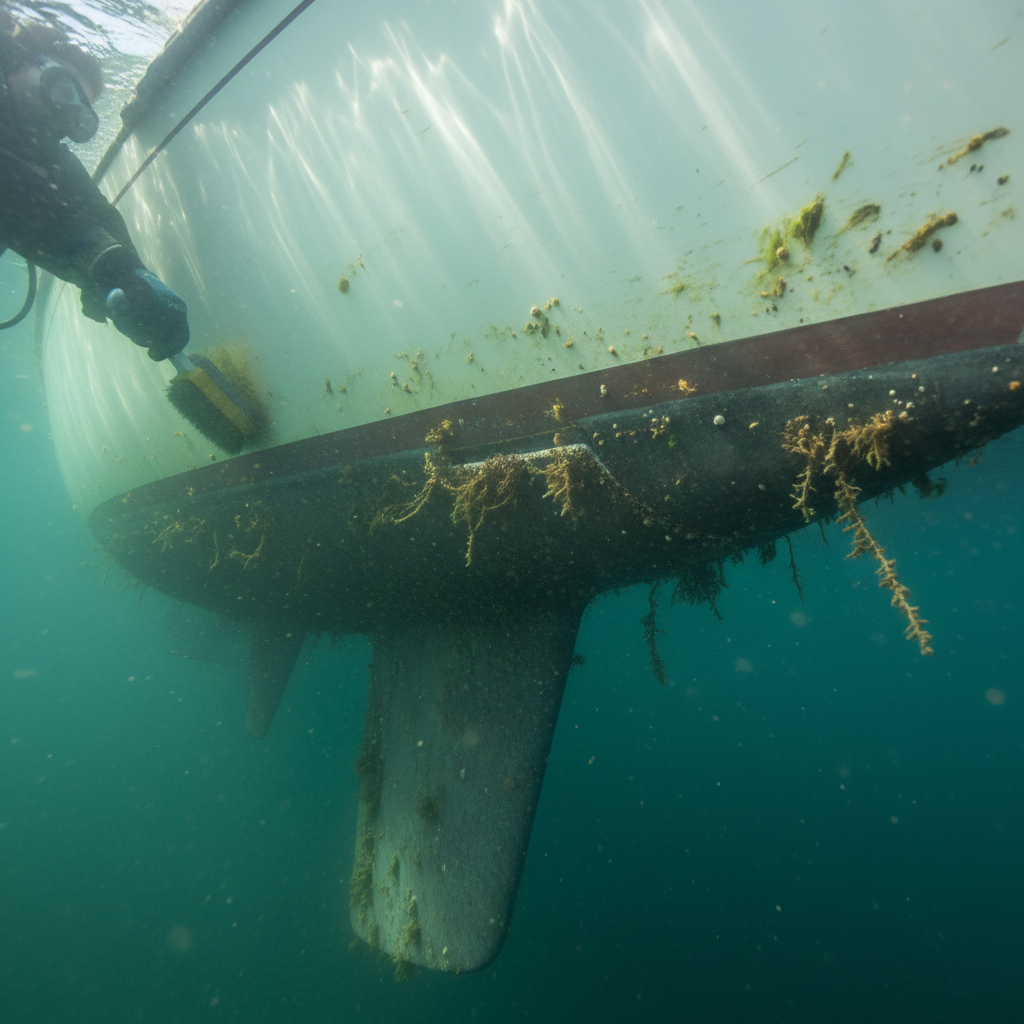
Here’s the thing: fiberglass is resilient, but it has a memory. Even if the hull looks fine today, the delamination caused by a grounding can slowly absorb water, leading to core rot that costs tens of thousands to fix at a shipyard. In our work with recreational boat owners at the Vallejo Marina, we’ve found that early detection via a grounding impact audit saves an average of 60% on long-term repair costs compared to emergency haul-outs.
Step 2: Running Gear Alignment and Vibration Analysis
A grounding doesn’t just affect your keel; the sudden deceleration often sends shockwaves through your entire drivetrain. If you feel even a slight ‘new’ vibration when heading toward San Pablo Bay, your running gear is likely out of true. Our Vallejo marine services include a dedicated check of the propeller pitch and shaft alignment that goes beyond a simple visual glance.
- Propeller Pitch Check: Even soft mud can bend a blade tip, leading to cavitation and engine wear.
- Shaft Runout: Using dial indicators to ensure the shaft hasn’t been knocked out of alignment with the transmission.
- Cutlass Bearing Wear: Checking for excessive play that indicates the shaft is vibrating during operation.
- P-Bracket Integrity: Ensuring the strut holding the shaft hasn’t suffered hairline fractures from the impact.
But wait—many boaters assume that if the engine hits its max RPM, everything is fine. The real kicker? A slightly bent shaft might not affect top speed, but it will slowly destroy your transmission seals and engine mounts. If you’ve touched bottom recently, you need an underwater impact assessment to verify your running gear is still true.
Step 3: Protective Coating and Zinc Continuity
Vallejo’s high-sediment environment acts like liquid sandpaper, stripping away bottom paint and exposing metal during a grounding. When you scrape the bottom in the Carquinez Strait, you aren’t just losing paint; you are likely exposing your zinc and corrosion protection systems to increased galvanic activity. According to the EPA, maintaining the integrity of hull coatings is also vital for preventing the spread of invasive species.
- Paint Scouring: We document areas where the anti-fouling has been rubbed raw, leaving the gelcoat vulnerable to osmotic blistering.
- Zinc Anode Security: Impact can loosen anodes or knock them off entirely, leaving your expensive bronze props at the mercy of electrolysis.
- Thru-Hull Inspection: Ensuring that mud hasn’t been forced into the raw water intakes or speed transducers.
| Feature | Soft Mud Impact (Vallejo) | Hard Rock Impact |
|---|---|---|
| Primary Risk | Keel Torque & Suction Stress | Structural Puncture |
| Visual Signs | Internal Grid Cracking | External Gelcoat Loss |
| Running Gear | Silt Clogging / Prop Bend | Shaft Shearing |
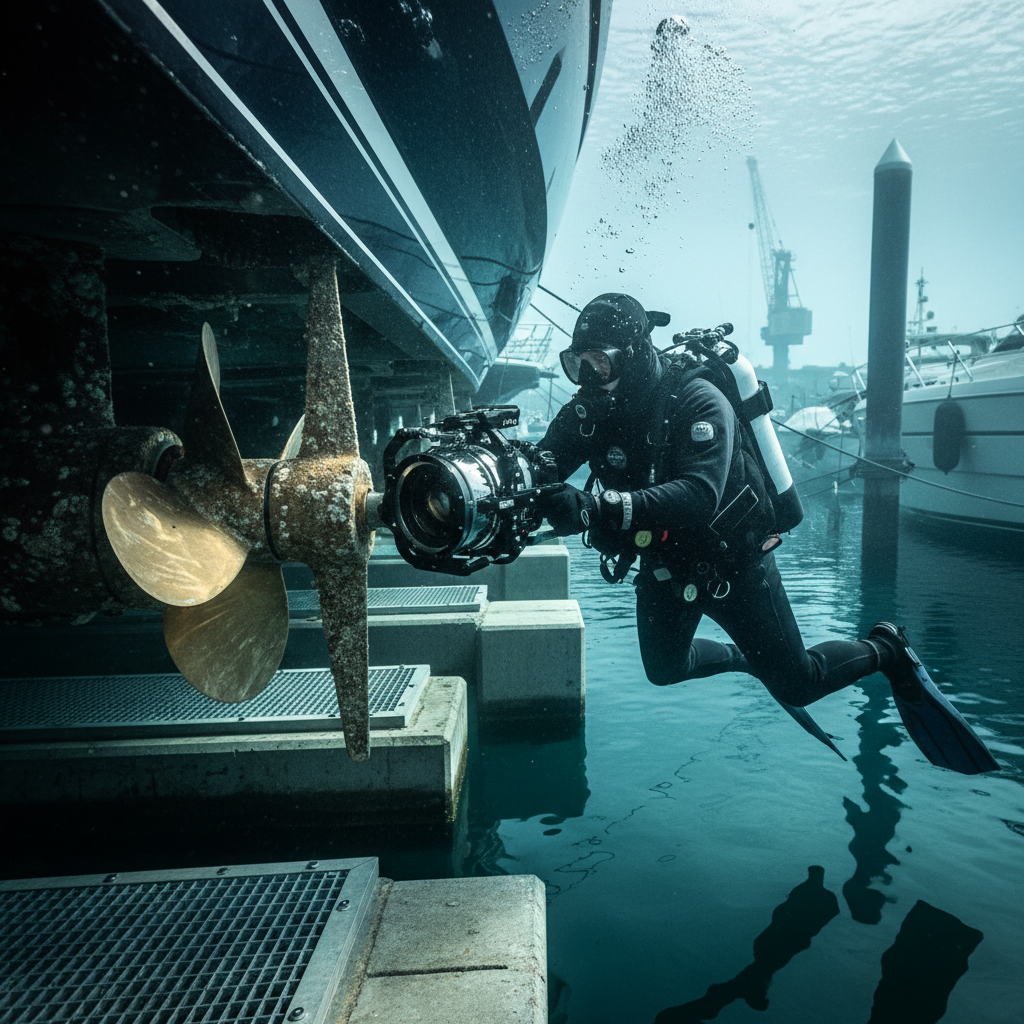
Need a professional eyes-on report? Schedule your hull cleaning and audit today to get before-and-after photo proof of your vessel’s condition. We serve all major Vallejo and Benicia marinas with fully insured dive teams.
The ‘Hidden Damage’ Trap in Vallejo Waters
Vallejo’s unique geography creates a specific type of ‘hidden damage’ trap that most Bay Area boaters miss. Because the water visibility is often near zero due to Napa River runoff, you cannot simply look over the side to see if your keel is okay. Furthermore, the silt is so fine that it can migrate into hull-to-keel joint inspection gaps, acting as a wedge that slowly widens the separation over time.
In our experience with typical Bay Area mid-market vessels, owners often wait for a leak to appear before calling a diver. This is a mistake. By the time you see water in the bilge, the structural core may already be saturated. The contrarian truth is this: a ‘minor’ grounding in Vallejo is often more dangerous than a major one elsewhere because the lack of immediate symptoms leads to complacency.
Why Immediate Underwater Audits Beat Shipyard Haul-outs
The 24-hour window following an impact is critical for insurance documentation and preventative maintenance. While a shipyard haul-out in Richmond or Alameda can cost thousands just for the lift, a professional grounding impact audit performed in-water provides the same diagnostic data for a fraction of the cost. We use high-definition cameras to provide the ‘photo proof’ that insurance adjusters require for San Pablo Bay boat maintenance claims.
- Cost Efficiency: Avoid the $1,500+ haul-out fee just to ‘take a look.’
- Speed: Most audits are completed within 90 minutes of arrival at your slip.
- Transparency: You receive a full digital report with images you can forward to your mechanic or insurer.
What most people miss is that modern underwater drones and divers can now perform non-destructive testing in-water. This means we can check for delamination without even moving your boat from its slip at Glen Cove or Vallejo Yacht Club.
The 360 Hull Diving Difference in Vallejo
We aren’t just divers; we are your eyes beneath the waterline. Our team specializes in the high-current, low-visibility conditions of the Carquinez Strait, ensuring your Vallejo marine hull inspection is thorough and accurate. We provide every client with clear before-and-after photo proof, so you never have to guess about the state of your running gear or keel bolts.
Whether you are a weekend cruiser or a live-aboard, keeping your hull in peak condition is the only way to ensure safety in the unpredictable waters of the Bay. If you’ve touched the bottom recently—or even if you just suspect your performance has dropped—it’s time for a professional check.
Key Takeaways for Vallejo Owners
- Act Fast: Silt and mud suction can cause structural leverage issues that aren’t immediately visible.
- Check the Joint: The hull-to-keel joint is the most vulnerable point during a soft grounding.
- Verify Alignment: Vibration is a leading indicator of shaft or prop damage.
- Document Everything: Use photo-based audits for insurance and resale value.
Ready to protect your investment? Contact 360 Hull Diving today for a comprehensive grounding impact audit. Call us at (707) 555-0199 to schedule your service at any Vallejo area marina.
Frequently Asked Questions
How soon after a grounding should I get an audit?
You should ideally schedule a grounding impact audit within 24 to 48 hours of the incident. This allows for accurate documentation for insurance purposes and ensures that any structural compromises, like hull-to-keel joint inspection failures, are identified before the boat is subjected to further stress from tidal currents or heavy weather.
Can mud really damage a heavy lead keel?
While the mud itself won’t dent the lead, the ‘suction effect’ of Vallejo’s silt can trap the keel while the wind or tide pushes the hull. This creates a massive amount of torque on the keel bolts and the internal fiberglass grid, potentially leading to delamination or ‘keel smile’ gaps that require urgent repair.
Will a grounding impact audit help with my insurance claim?
Yes, providing a professional underwater report with high-resolution photo proof is critical. Insurers often require evidence of the impact site and the resulting damage to process claims for Vallejo marine hull inspection repairs. Our reports are designed to be ‘adjuster-ready’ to speed up your claim process.
What are the signs of a bent propeller shaft?
The most common sign is a new or rhythmic vibration felt through the floorboards, especially when increasing RPMs. You might also notice a leaking stuffing box or ‘chatter’ when the boat is in gear. An underwater impact assessment can confirm alignment issues without the need for an expensive haul-out.