📋 Table of Contents
According to the EPA’s standards for vessel discharges, the sacrificial anode life cycle is a critical factor in preventing heavy metal leaching while protecting your vessel’s underwater metals. For boaters at Loch Lomond Marina in San Rafael, the transition between brackish runoff and high-salinity bay water makes managing zinc depletion stages a complex science rather than a guessing game.
Key Takeaways:
- Understand the “Tipping Point” where anodes lose electrochemical effectiveness.
- Identify the difference between active protection and passive scaling.
- Optimize maintenance costs by timing replacements during the Amber stage.
- Protect the unique Loch Lomond ecosystem by reducing unnecessary metal runoff.
The Science of the Sacrificial Anode Life Cycle
The most important thing to remember is that an anode is designed to be destroyed, but its effectiveness drops off a cliff long before the metal completely disappears. In our work with high-net-worth recreational boaters in San Rafael, we often see a misunderstanding of how surface area impacts voltage protection.
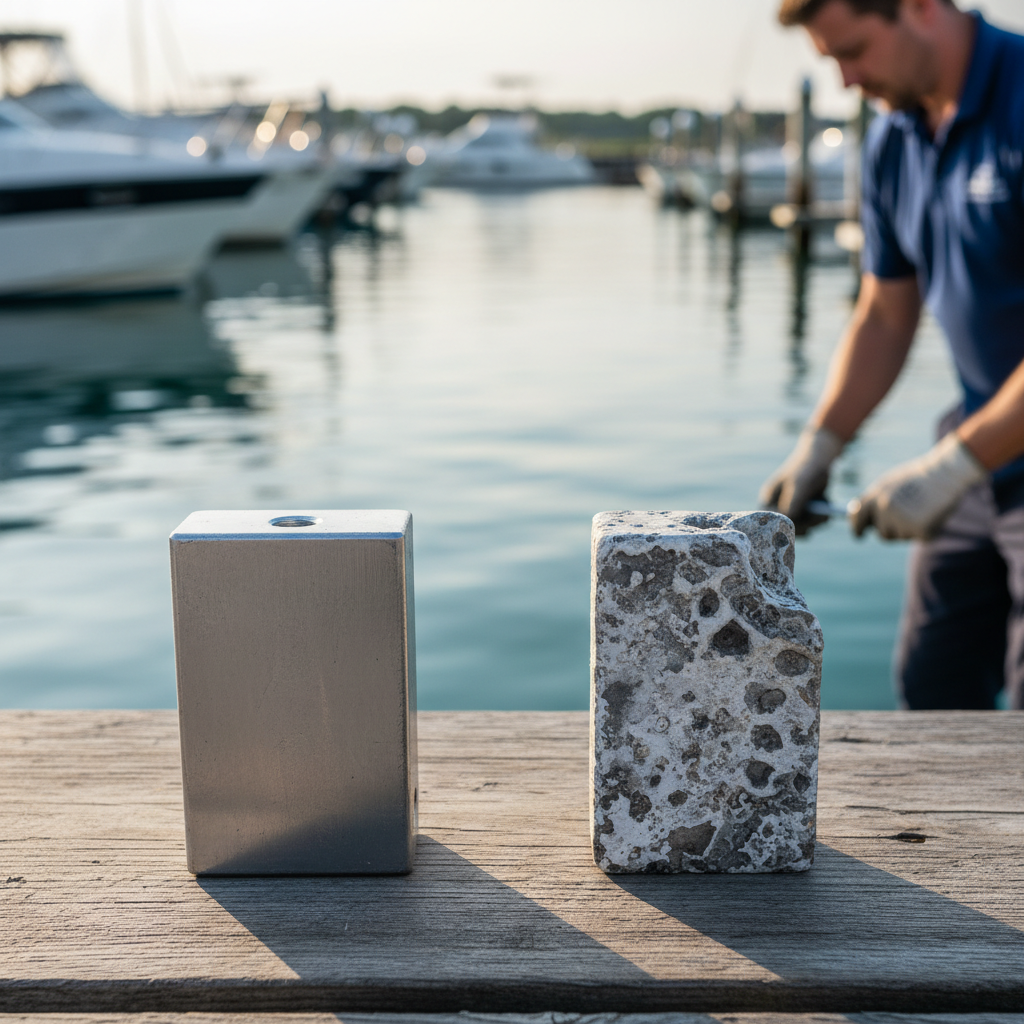
Here’s the thing: as an anode corrodes, it develops a layer of oxidation or “crust” that can actually insulate the remaining metal, preventing it from sacrificing itself to protect your prop shaft or rudder. This is particularly prevalent in San Rafael boat maintenance due to the specific mineral profile of the local waters. What most people miss is that a 50% depleted zinc is often 80% less effective at maintaining the necessary millivolt protection required to stop galvanic corrosion.
Common factors affecting the life cycle include:
- Water temperature and salinity levels near the Richmond-San Rafael Bridge.
- Stray current leakage from poorly grounded shore power at the marina.
- The specific alloy composition (Zinc vs. Aluminum vs. Magnesium).
- The surface-to-volume ratio of the remaining anode material.
Freshwater vs. Brackish Transitions
Loch Lomond presents a unique challenge because it isn’t purely oceanic. During heavy rain seasons, the influx of freshwater changes the water’s conductivity. In these low-alkalinity conditions, standard zinc anodes can “passivate,” forming a hard shell that stops the sacrificial anode life cycle in its tracks, leaving your expensive running gear vulnerable. This is why we often recommend aluminum anodes for boaters who frequent both the North Bay and the Delta.
Stage 1: The Green Zone (Active Protection)
In the initial stage, the anode is actively eroding, showing a healthy, “bubbly” or pitted surface appearance that indicates it is successfully diverting corrosion. During this phase of San Rafael boat maintenance, the goal is simple: keep the surface clean of marine growth to ensure maximum electrical contact with the water.
But wait—cleaning an anode isn’t just about scrubbing. If you use a wire brush made of a different metal, you can actually contaminate the zinc and cause it to fail prematurely. We use specialized techniques to ensure your anodes stay active without introducing new corrosion variables. If you’re docked at Loch Lomond or nearby San Pedro Cove, regular inspections during this stage can extend the life of your hardware by months.
Need a professional eye on your hull? Schedule a dive inspection with photo proof to see exactly where your protection stands.
Stage 2: The Amber Zone (The Tipping Point)
The real kicker in the sacrificial anode life cycle is the transition from 40% to 60% depletion, where the mass of the zinc is no longer sufficient to provide a consistent protective “envelope” around your running gear. At this stage, you will notice “passive scaling,” where the anode looks more like a weathered rock than a piece of metal.
A typical Bay Area recreational boat owner often tries to squeeze one more season out of these anodes to save on haul-out costs. However, our data-backed approach shows that the cost of replacing a shaft or a propeller far outweighs the price of proactive zinc replacement. In this stage, we look for:
- Deep pitting that exposes the mounting bolts (risking the anode falling off).
- A significant decrease in the weight of the metal.
- Visible “bronze disease” or pinkish tints on your propellers, indicating the zinc is no longer working.
| Depletion Level | Visual Indicator | Action Required |
|---|---|---|
| 0-30% | Pitting/Rough Surface | Clean & Monitor |
| 30-50% | Significant Mass Loss | Plan Replacement |
| >50% | Exposed Hardware | Immediate Replacement |
Stage 3: The Red Zone (Critical Failure)
Once an anode hits 60% depletion, it enters the Red Zone, where it is effectively a paperweight that provides zero protection against galvanic corrosion freshwater or saltwater issues. The remaining metal is usually so oxidized that it no longer conducts electricity efficiently.
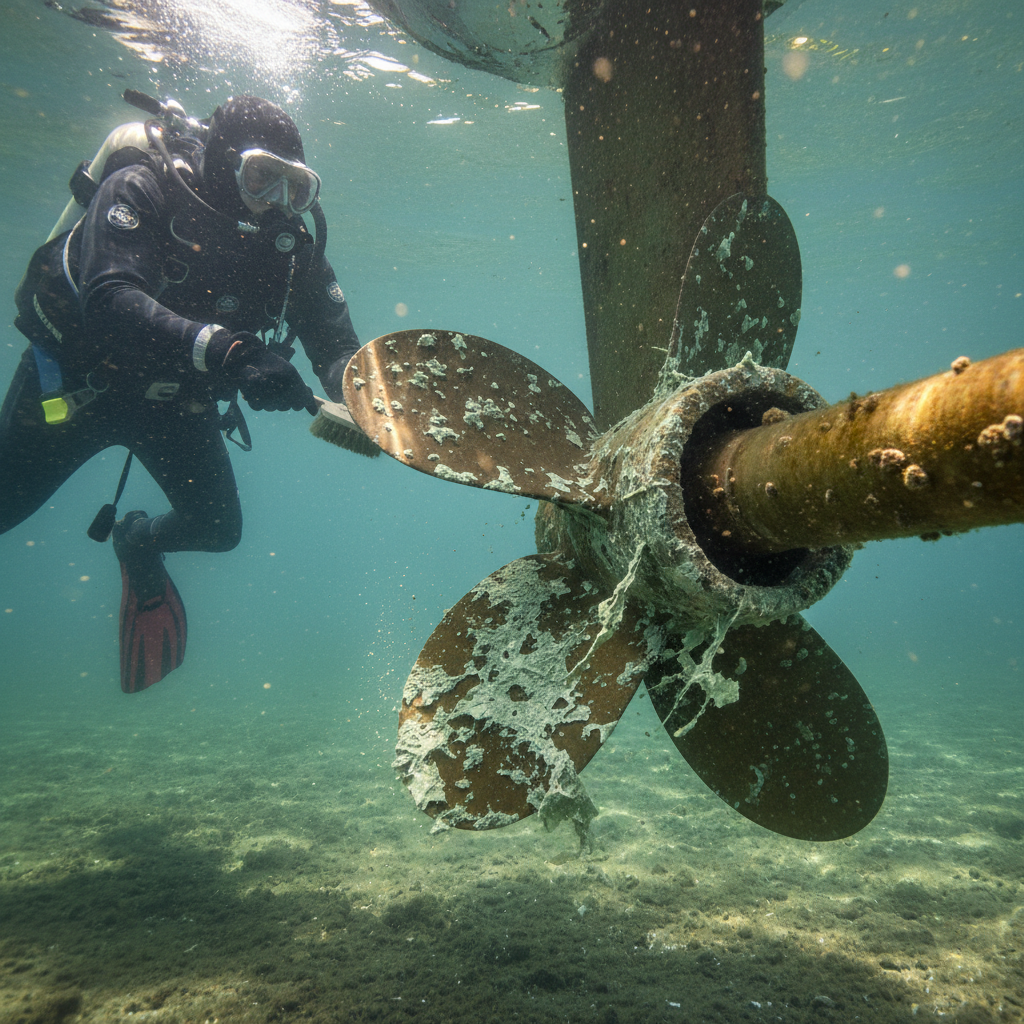
What most boaters miss is that once the zinc is gone, the current starts attacking the next easiest target: your aluminum sterndrive, your bronze prop, or your stainless steel shaft. This leads to “crevice corrosion” and pitting that can lead to catastrophic mechanical failure while you’re cruising toward Angel Island. In our work with local yacht clubs, we’ve found that spring is the critical window for this check, as winter dormancy often accelerates decay due to stagnant water conditions.
The contrarian insight? More zinc isn’t always better. Over-zincing a boat can actually lead to “over-protection,” which can cause paint delamination on metal hulls and even damage certain fiberglass resins. It’s about the right amount of surface area, not just the sheer volume of metal.
Environmental Impact and Clean Boating in San Rafael
Sustainable maintenance isn’t just a buzzword; it’s a necessity for protecting the Loch Lomond ecosystem. Every time a zinc anode dissolves, it releases heavy metals into the water column. By following the 3-Stage Framework, you avoid the “panic replacement” cycle and ensure you aren’t contributing to unnecessary metal runoff.
Here is how to stay eco-friendly:
- Switch to Aluminum anodes (MIL-DTL-24779) which are more effective and less toxic than traditional zinc.
- Ensure your diver uses proper collection methods for heavy growth during hull cleaning vs replacement decisions.
- Coordinate maintenance to minimize the number of times the hull is scrubbed aggressively.
If you’re managing a fleet or just your family cruiser, our team provides the transparency you need. We don’t just tell you it’s time for a change; we show you with high-resolution before-and-after photos. Explore our hull cleaning guides for more tips on maintaining your vessel in the Bay Area.
The Hidden Expense of Delaying Replacement
The real cost of a 50% depleted anode isn’t the price of the part; it’s the labor and potential damage to your running gear. For a typical Bay Area mid-market vessel, a set of shaft zincs is a fraction of the cost of a single hour of haul-out time at a boatyard. By replacing anodes during a standard dive service, you eliminate the need for emergency repairs.
We use our internal AI content engine to track local water trends and salinity shifts, ensuring our advice for Loch Lomond boaters is always current. Whether you are at Paradise Cay or the San Rafael Yacht Club, the electrochemical rules remain the same: protect your assets before the water claims them.
FAQs: Expert Advice for San Rafael Boaters
How often should I check my sacrificial anode life cycle in San Rafael?
In the North Bay, we recommend a professional inspection every 3 to 4 months. The brackish water of Loch Lomond can cause unique scaling issues that aren’t as prevalent in the Central Bay, making regular monitoring essential to catch the transition from the Green to Amber stage before damage occurs.
Can I just clean my zincs instead of replacing them?
Cleaning is effective during Stage 1 (under 30% depletion) to remove oxidation and growth. However, once an anode loses significant mass or the mounting hardware becomes loose, cleaning will not restore its protective electrical field. Replacement is the only way to ensure your running gear remains shielded from galvanic corrosion.
Why do my anodes disappear faster in certain marinas?
Rapid depletion is usually caused by “stray current,” which can come from your own boat’s electrical leaks or from a neighboring vessel with poor wiring. Marinas with older electrical infrastructure can also contribute to a faster sacrificial anode life cycle, requiring more frequent replacements to prevent hull damage.
Is aluminum better than zinc for Loch Lomond boaters?
Yes, aluminum anodes are generally superior for the San Rafael area. They have a higher driving voltage, making them more effective in the brackish water of the North Bay, and they are more environmentally friendly. They also don’t “passivate” or form a hard crust in freshwater as easily as zinc does.
Ready to protect your investment? Don’t leave your hull’s safety to guesswork. Call us today or book your service online to get the Bay Area’s most trusted dive team on the job with full photo proof of every zinc replacement.