
📋 Table of Contents
Effective Martinez Marina silt management is critical for boat owners navigating the complex waters of the Carquinez Strait. As high-volume freshwater runoff from the Sacramento and San Joaquin rivers carries heavy sediment loads into the marina, your stern drive faces an invisible but destructive threat. Without proactive maintenance, this silt acts as a grinding paste, destroying seals and clogging cooling systems.
Key Takeaways for Martinez Boaters
- Abrasive Damage: River silt is highly abrasive, leading to premature wear on lower unit seals.
- Cooling Obstruction: Sediment accumulation in water intakes causes engine overheating and potential failure.
- The ‘Silt Sandwich’: Trapped mud in bellows creates a corrosive environment that eats away at metal components.
- Seasonal Urgency: Peak runoff months (January–April) require monthly underwater inspections.
The Science of Siltation in the Carquinez Strait
Martinez Marina sits at a unique geographical crossroads where the freshwater of the Delta meets the saltwater of the San Francisco Bay. This confluence creates a massive “silt trap” during the rainy season. According to the U.S. Environmental Protection Agency, the Delta watershed carries millions of tons of sediment annually, much of which settles directly into the shallow basins of local marinas.
Consequently, boats docked in Martinez are subject to higher turbidity levels than those in Sausalito or Alameda. The fine particulates in the water don’t just settle on the floor; they find their way into every crevice of your propulsion system. This makes Martinez Marina silt management a year-round necessity for preserving your vessel’s value.
- Tidal Shifts: Rapid water movement stirs up bottom sediment, keeping it suspended near your intakes.
- Freshwater Layers: Lighter freshwater sits on top of salt, often carrying the heaviest concentrations of organic debris.
- Post-Storm Surges: Atmospheric rivers significantly increase the ppm (parts per million) of abrasive minerals in the water.
Why Stern Drive Silt Damage is a Financial Nightmare
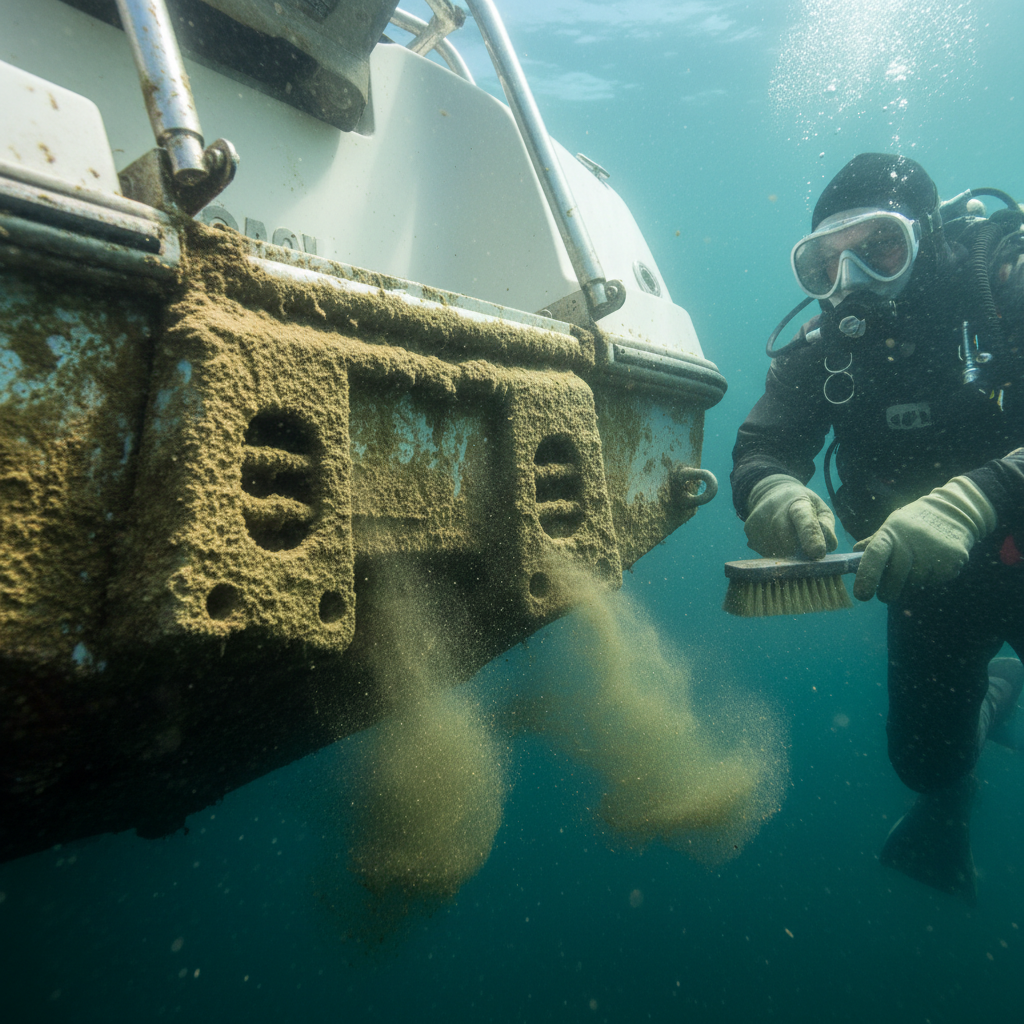
When we discuss Martinez Marina silt management, we are effectively talking about insurance for your drivetrain. Stern drives, or I/Os, are particularly vulnerable because their cooling intakes are located low in the water column where silt concentration is highest. If left unaddressed, the cost of repair can quickly exceed $10,000 for a full lower unit replacement.
Furthermore, the silt creates what we call a ‘Silt Sandwich’ within your bellows. This occurs when sediment becomes trapped between the rubber folds and the moving parts of the drive. As the drive tilts and trims, this grit grinds against the rubber, leading to tears and eventual sinking risks. Regular stern drive maintenance is the only way to catch these issues before they become catastrophic.
| Component | Silt Impact | Replacement Cost |
|---|---|---|
| Lower Unit Seals | Abrasive wear leading to oil leaks | $1,200 – $2,500 |
| Water Pump Impeller | Scoring and loss of suction | $400 – $800 | Tearing and dry rot from sediment | $1,500 – $3,000 |
The Risks of Neglect
- Overheating: Silt packs into the narrow cooling passages of the heat exchanger.
- Corrosion: Trapped river mud holds moisture and electrolytes against metal, accelerating galvanic corrosion.
- Seal Failure: Fine sand particles migrate behind the prop, cutting into the prop shaft seals.
Need an immediate inspection? Schedule your Martinez Marina hull service today to clear your intakes before your next outing.
The 360 Hull Diving Approach to Martinez Marina Silt Management
Our team specializes in Martinez Marina silt management by providing more than just a simple scrub. We understand that Martinez boaters face unique challenges compared to those at Richmond or Benicia. We provide photographic evidence of every intake we clear, ensuring you have peace of mind that your cooling system is breathing freely.
Specifically, we focus on the “Grit-Zone”—the areas where river runoff accumulates most heavily. By using specialized soft-bristle tools and underwater vacuum techniques, we remove silt without damaging your expensive anti-fouling paint. This precision is what sets professional Carquinez Strait hull service apart from amateur efforts.
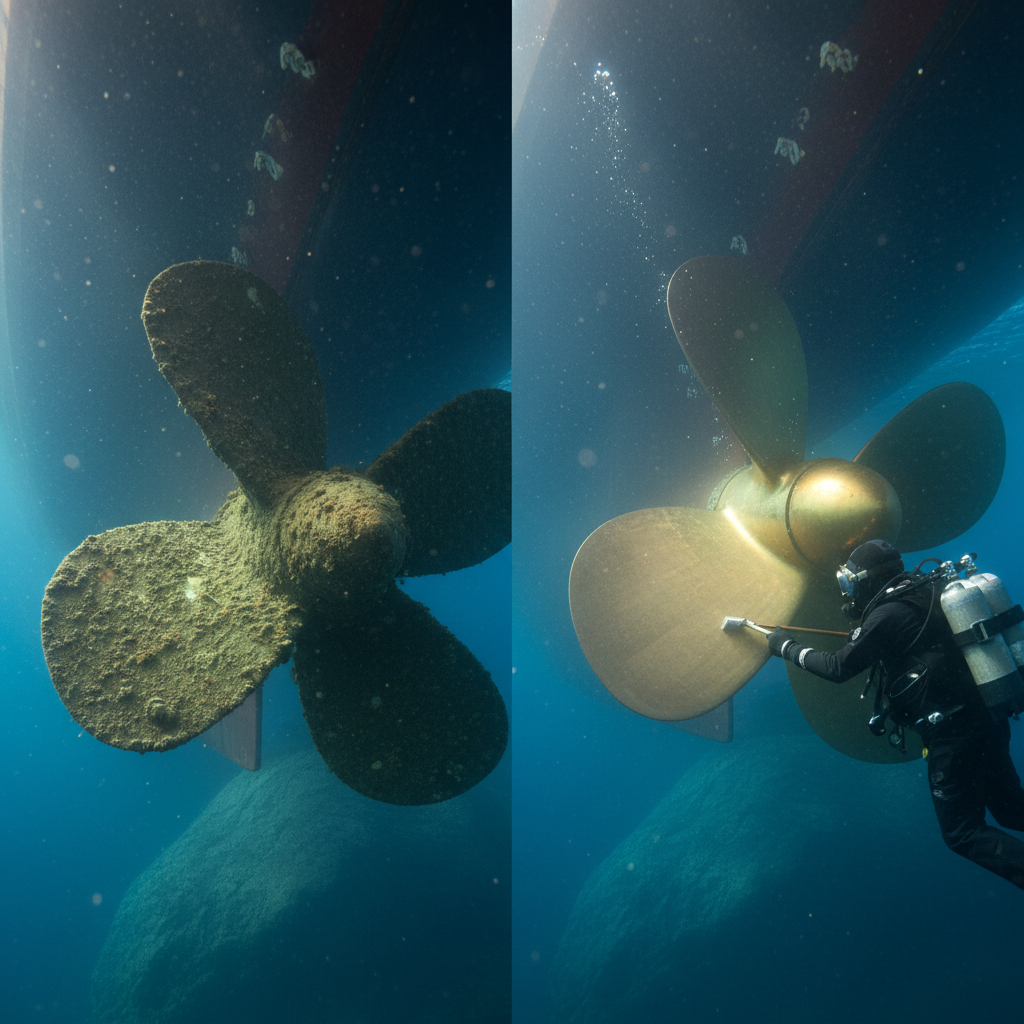
- Photo Proof: High-definition before-and-after photos of your stern drive and intakes.
- Zincs Inspection: Checking that silt hasn’t buried your sacrificial anodes, rendering them useless.
- Seal Monitoring: Checking for the tell-tale signs of “milky” gear oil escaping from silt-damaged seals.
Seasonal Maintenance Checklist for River Runoff
To stay ahead of the sediment, you must adapt your Martinez Marina boat maintenance schedule to the California weather cycle. The period following major storm events is the most dangerous for your vessel. As the Sacramento River crests, the debris and silt levels in Martinez skyrocket, making monthly underwater cleaning essential.
Moreover, many boaters make the mistake of thinking a freshwater flush is enough. While flushing the internal galleries helps, it does nothing to remove the abrasive silt packed into the external crevices of the gimbal housing or the prop shaft. Professional underwater hull cleaning in Martinez is the only way to reach these critical areas.
Runoff Season Priorities (January – April)
- Monthly Intake Clearing: Prevent silt from hardening into a “brick” inside your lower unit.
- Bellows Inspection: Ensure no debris is trapped in the folds of the shift or exhaust bellows.
- Propeller Clearance: Remove fishing line and silt from behind the prop to protect the main seal.
- Anode Cleaning: Brush off silt layers from zincs to maintain electrical continuity.
Don’t let river runoff destroy your drive. Call us at 360 Hull Diving for a professional assessment of your vessel’s health.
Environmental Impact and Eco-Friendly Silt Removal
As part of our commitment to the local ecosystem, our Martinez Marina silt management practices exceed standard environmental protocols. We adhere to the California Water Boards guidelines for hull cleaning, ensuring that we aren’t releasing harmful copper or lead into the Carquinez Strait while we work.
By focusing on mechanical removal of silt rather than aggressive scrubbing of the hull, we preserve your bottom paint and protect the water quality. This approach is not only better for the environment but also extends the life of your hull coating, saving you thousands in haul-out and painting costs over the life of your boat.
- Non-Abrasive Methods: We use techniques that target silt without stripping paint.
- In-Water Solutions: Avoid expensive haul-outs by managing silt while the boat stays in its slip.
- Local Expertise: We know the specific mud composition of Martinez and how to handle it efficiently.
Advanced Silt Mitigation Strategies
- Drive Bags: Consider using underwater drive bags during peak runoff months to isolate the stern drive.
- Regular Exercise: Run your engines (at the dock, in gear) to help circulate water and prevent silt settling.
- Professional Monitoring: Use a service like 360 Hull Diving to track sediment buildup trends on your specific dock.
Conclusion: Protect Your Investment in Martinez
Ultimately, Martinez Marina silt management is about proactive preservation. The Carquinez Strait is a beautiful but demanding environment for any recreational vessel. By understanding the risks of river runoff and implementing a professional maintenance plan, you can enjoy the water without the fear of a mechanical breakdown.
Ready to see the difference for yourself? At 360 Hull Diving, we provide the transparency and expertise that Bay Area boat owners trust. From the Martinez Marina to the docks of Benicia and beyond, we are your partners in marine longevity. Contact us today for a free estimate and get the photo proof your boat deserves.
Frequently Asked Questions
How often should I have my hull cleaned at Martinez Marina?
Due to the high sediment levels in the Carquinez Strait, we recommend a monthly cleaning schedule, especially between January and April. During the summer, you may be able to extend this to every 6-8 weeks, but regular inspections are key to preventing silt-related stern drive failure.
Can silt really cause my engine to overheat?
Yes. Silt and fine river mud can pack into the small water intake holes on your lower unit. Once inside, it can settle in the oil cooler or heat exchanger, significantly reducing water flow and causing your engine temperature to spike, which can lead to blown head gaskets.
What is the ‘Silt Sandwich’ and why is it dangerous?
The ‘Silt Sandwich’ refers to sediment that gets trapped inside the rubber bellows of a stern drive. This abrasive material grinds against the rubber and metal components every time you steer or trim the boat, eventually causing leaks that can lead to the boat taking on water.
Is professional hull diving safer for my boat than DIY cleaning?
Absolutely. Professionals use specialized tools that remove silt and growth without damaging the expensive anti-fouling paint. Additionally, we provide underwater photo documentation, allowing you to see the condition of your zincs, props, and seals without having to haul the boat out of the water.