
📋 Table of Contents
Executing a flawless freshwater transition fouling management plan is the difference between a smooth wine country voyage and a costly mechanical nightmare. For owners at the Richmond Yacht Club or Berkeley Marina, the trek up to the Napa Valley Marina represents more than just a change in scenery; it is a radical shift in water chemistry that can compromise your yacht’s performance within days.
Key Takeaways for Executives:
- Osmotic shock causes rapid die-off of saltwater organisms, creating a sticky nutrient base for freshwater algae.
- Fuel efficiency can drop by 15-20% due to the ‘slime layer’ drag in low-velocity river environments.
- Compliance with California State Lands Commission (SLC) biofouling regulations is mandatory for protecting sensitive habitats.
- Mid-season diver inspections are the highest ROI activity for preventing sediment-related engine strain.
Understanding the Mechanics of Freshwater Transition Fouling
As of 2024, marine biologists have identified osmotic shock as the primary driver of hull degradation during San Pablo Bay crossings. When your vessel moves from the high-salinity waters of the Central Bay into the brackish and eventually fresh waters of the Napa River, the saltwater organisms attached to your hull undergo cellular collapse. This biological event, while appearing to ‘clean’ the hull by killing barnacles, actually leaves behind a calcium-rich adhesive and decaying organic matter.
Furthermore, this decaying layer acts as a high-protein substrate for freshwater biofilms. In the nutrient-rich environment of the Napa River—often fueled by seasonal agricultural runoff—this secondary growth occurs at twice the speed of typical oceanic fouling. Managing this freshwater transition fouling requires a proactive approach before you ever leave your home slip in Sausalito or Tiburon.
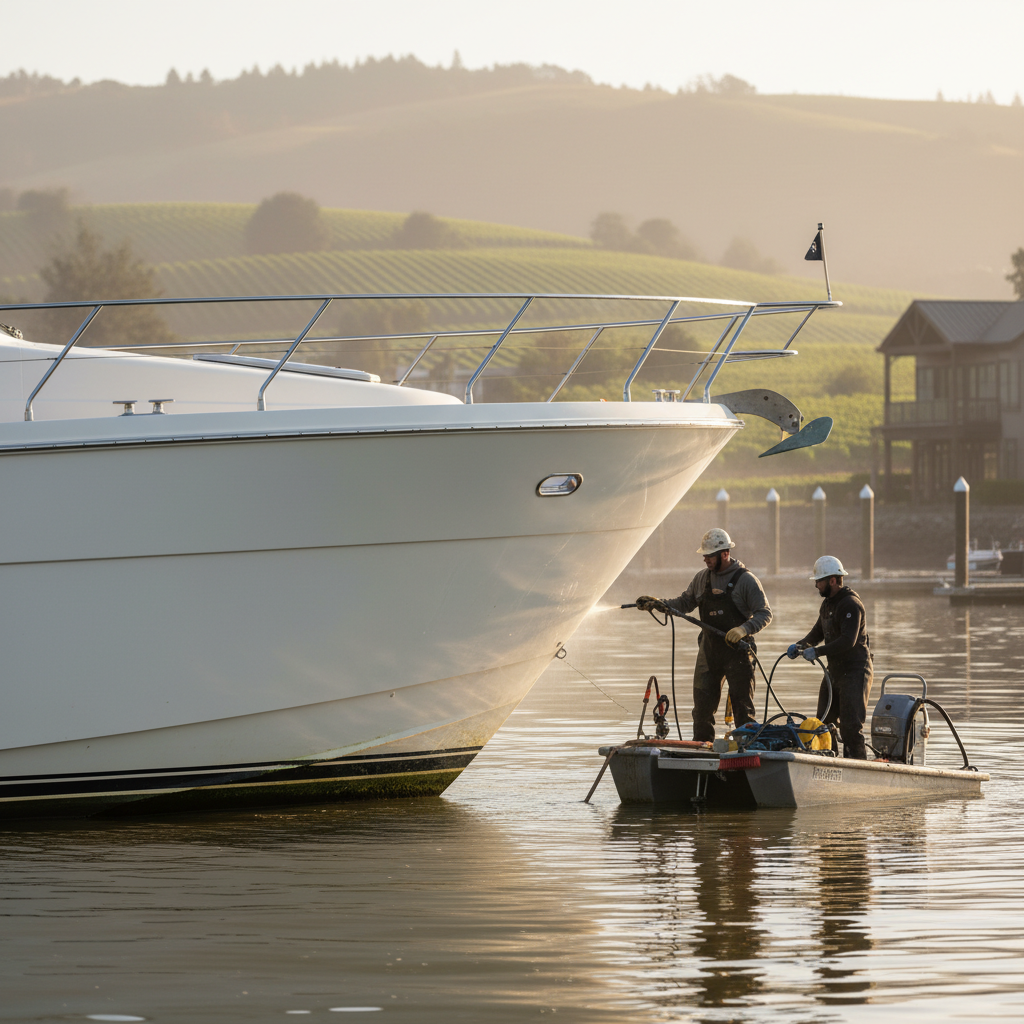
The Impact of Brackish Water Osmotic Shock
- Cellular Lysis: Saltwater species cannot regulate internal pressure in fresh water, leading to rapid mortality and odor issues.
- Secondary Colonization: Freshwater algae and ‘soft growth’ thrive on the remains of saltwater organisms.
- Increased Drag: Even a microscopic biofilm layer can increase hull friction significantly, impacting your cruise schedule.
Napa River Boat Maintenance: Navigating Environmental Regulations
Operating in the Napa River requires a sophisticated understanding of the “Green Corridor” environmental standards. The EPA’s Vessel General Permit and California State Lands Commission mandate strict hull husbandry reporting to prevent the spread of invasive species. Because the Napa River is a sensitive habitat, traditional ‘scouring’ of the hull is prohibited; instead, precision grooming is required to maintain the integrity of your foul-release coatings.
Consequently, many owners at Vallejo Yacht Club and Napa Valley Marina are shifting toward soft-tool cleaning methods. These techniques remove the freshwater slime without releasing copper or heavy metals into the river ecosystem. Ensuring your diver uses photo-documented, low-impact methods is critical for both legal compliance and the longevity of your bottom paint.
Need a professional assessment before your next cruise? Schedule your pre-cruise hull inspection today to ensure peak performance.
The Economic Cost of Biofilm and Slime Layers
Sophisticated boat owners often overlook the ‘Hidden Drag’ factor. While barnacles are the obvious enemy, the freshwater slime layer typical of the Napa River creates a massive surface area of friction. According to data from Energy.gov, even light biofouling can increase fuel consumption by up to 10% to maintain the same cruising speed. In a low-velocity environment like a river, where maneuverability is key, this drag also affects rudder response and docking precision.
| Fouling Type | Drag Increase (%) | Impact on Fuel ROI | Recommended Action |
|---|---|---|---|
| Light Biofilm (Slime) | 8-12% | Moderate Loss | Soft-cloth Grooming |
| Dead Saltwater Growth | 15-20% | High Loss | Transition Cleaning |
| Freshwater Algae Blooms | 10-15% | Moderate Loss | Bi-weekly Wipe-down |
| Calcareous Growth | 30-80% | Critical Loss | Full Mechanical Removal |
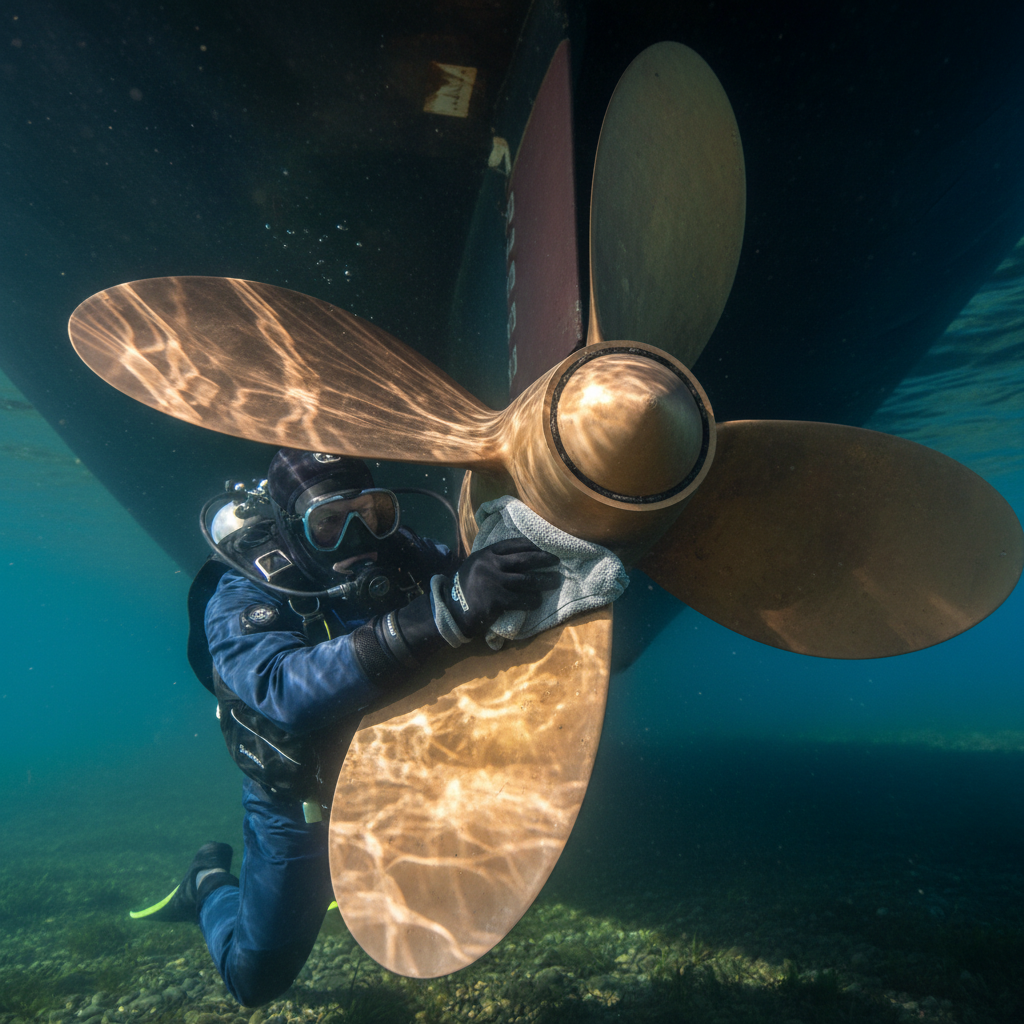
Optimizing Fuel Efficiency for River Cruises
- Propeller Polishing: Ensure your running gear is polished to a mirror finish to handle the high-sediment river water.
- Zinc Anode Check: Brackish water changes the rate of galvanic corrosion; ensure your protection is adequate for lower salinity.
- Intake Maintenance: River silt and decaying organic matter can quickly clog raw water intakes and strainers.
Strategic Napa Valley Marina Hull Care and Timing
Timing your maintenance is as important as the service itself. If you are planning a multi-week stay at a Napa Valley Marina, an underwater inspection should occur within 72 hours of arrival. This prevents the saltwater die-off from hardening into a difficult-to-remove secondary shell. Many 360 Hull Diving clients in San Rafael and Alameda schedule a ‘Transition Groom’ specifically for these trips.
Moreover, the use of silicone foul-release coatings is becoming standard for high-end yachts frequenting the river. These coatings require specialized knowledge to clean without causing abrasion. Our team provides before-and-after photo proof to ensure that your coating remains intact while the freshwater transition fouling is completely eradicated. You can search our hull cleaning guides for more details on specific coating maintenance.
Addressing Invasive Species and Regulatory Compliance
California’s Hull Husbandry Reporting requirements are increasingly stringent. When transitioning between the Bay and the River, you are moving between distinct ecological zones. Failure to manage your hull can lead to the accidental transport of invasive species, which carries significant fines and environmental impact. Professional divers who understand the California State Lands Commission guidelines are essential partners for the modern mariner.
Besides the legal risks, there is the issue of ‘Transition Trauma.’ The smell of decaying barnacles and tube worms in the warm Napa sun can ruin the luxury experience of a river cruise. A clean hull ensures that your guest experience remains focused on the wine and the views, not the odors coming from the waterline.
Ready to protect your investment? Contact 360 Hull Diving for a customized maintenance plan tailored to your Napa Valley itinerary.
Summary of Best Practices for River Transition
- Pre-Departure: Perform a full hull cleaning in the saltwater marina to minimize the biological load entering the river.
- Arrival: Schedule a diver for a ‘soft wipe’ within 3-5 days of entering freshwater to remove dead organisms.
- Monitoring: Inspect engine strainers daily, as river sediment and algae are more prone to clogging systems than bay water.
- Documentation: Keep a log of all hull cleanings and photo proof to satisfy SLC inspectors if boarded.
By treating freshwater transition fouling as a technical challenge rather than a simple cleaning chore, you ensure that your vessel operates at peak efficiency. Whether you are docked in Emeryville or cruising past the vineyards of Napa, proactive underwater maintenance is the key to a vibration-free, eco-conscious, and high-performance yachting experience.
Frequently Asked Questions
How does freshwater transition fouling affect my boat’s speed?
Freshwater transition fouling creates a dense biofilm and a layer of decaying saltwater organisms that significantly increases skin friction. This drag can reduce your cruising speed by 1-3 knots or require significantly more RPMs to maintain speed, leading to increased engine wear and fuel consumption during your Napa River transit.
Why does my boat smell when I cruise into the Napa River?
The smell is typically caused by the mass die-off of saltwater organisms like barnacles and mussels due to osmotic shock. As these organisms die in the freshwater environment, they decay rapidly in the warmer river water, releasing sulfurous odors that can be particularly noticeable while the vessel is stationary at a marina.
Is it legal to clean my hull in the Napa River?
Hull cleaning in the Napa River is subject to strict environmental regulations. Only non-abrasive, eco-friendly grooming that does not remove the bottom paint itself is generally permitted. It is vital to use an insured dive team that understands the specific regulatory framework of the San Pablo Bay and Napa River sensitive habitats.
How often should I check my zincs when staying in brackish water?
Brackish water is less conductive than saltwater, which can actually slow the depletion of some anodes but can also lead to different types of localized corrosion. We recommend a visual inspection of your zincs immediately upon entering the river and then every 30 days if you are extending your stay in the Napa Valley area.